Andhra Pradesh Cuisine: A Deep Dive into Telugu Food Culture
The Heartbeat of South India: Understanding Andhra Pradesh Cuisine
Nestled along the southeastern coast of India, Andhra Pradesh is a land of vibrant culture, rich history, and a culinary heritage that tantalizes the senses. When one speaks of Andhra Pradesh cuisine, it’s not just about food; it’s an immersive journey into a gastronomic landscape celebrated for its bold flavors, aromatic spices, and a unique balance of heat and tang. From fiery curries to delectable sweets, the state's traditional fare, often referred to as Telugu food, offers an unforgettable experience that stands out even within the diverse spectrum of South Indian food culture.
Unlike some of its southern counterparts that lean towards coconut-based gravies, Andhra cuisine distinguishes itself with a generous use of chilies (both red and green), tamarind, and a distinct tempering (popu or tadka) that imparts a signature aroma and taste. Every meal is a celebration, a testament to the region's agricultural bounty and time-honored Andhra cooking traditions passed down through generations. Join us as we explore the layers of this fascinating culinary world, from its historical influences to its iconic dishes and the cultural significance woven into every bite.
A Rich Tapestry: Historical Influences on Telugu Food
The evolution of Telugu food is a fascinating narrative shaped by centuries of trade, conquest, and cultural exchange. Its flavors are a delicious chronicle of the various empires and dynasties that have left their mark on the region.
Ancient Roots and Trade Routes
Andhra Pradesh has historically been a significant center for trade, connecting various parts of India with the rest of the world. This exposure brought in new ingredients and culinary techniques. The fertile deltas of the Krishna and Godavari rivers ensured an abundance of rice, lentils, and vegetables, forming the bedrock of the local diet. Ancient texts and inscriptions reveal a sophisticated food culture that emphasized seasonal ingredients and Ayurvedic principles for health and well-being.
Nizami Legacy and Hyderabad Food
The most profound influence on a segment of Andhra cuisine comes from the Nizams of Hyderabad. For centuries, Hyderabad was the seat of the powerful Nizams, whose opulent court fostered a highly refined culinary tradition. This resulted in the creation of iconic dishes like the world-famous Hyderabadi Biryani, Haleem, and various rich curries. While distinctly different from traditional rural Andhra fare, this sophisticated, slow-cooked, and fragrant Hyderabad food has become synonymous with the region's culinary identity, showcasing a beautiful blend of Persian, Mughal, and local Telugu flavors.
The Pillars of Andhra Cooking Traditions
At the heart of Andhra Pradesh cuisine lies a set of distinctive ingredients and cooking methodologies that give it its unique character. These traditions are not just about recipes, but about an understanding of flavor profiles and health benefits.
Spice Symphony: Chilies, Tamarind, and Curry Leaves
The defining characteristic of Andhra food is its unapologetic spiciness. Red chilies, particularly the Guntur Sannam variety, are liberally used, lending a robust heat and a vibrant color. But it's not just about the spice; it's the balance. Tamarind provides the quintessential tang, cutting through the heat and adding depth. Curry leaves, mustard seeds, cumin, fenugreek, and asafoetida form the base of the aromatic popu (tempering) that elevates almost every dish.
The Art of Pickling and Podis
No discussion of Andhra cooking traditions is complete without mentioning pickles (pachadulu) and spice powders (podis). Andhra pickles are legendary – from mango (Avakai) to gongura, tomato, and various vegetable and meat pickles, they are a staple in every household, adding a burst of flavor to any meal. Similarly, podis like Kandi Podi (lentil powder) or Nalla Karam (black chili powder) are mixed with ghee and rice, offering a quick, nutritious, and delicious accompaniment. This tradition of preserving flavors ensures that the taste of Andhra is always within reach, even in the leanest seasons.
Staple Grains: Rice and Millets
Rice is undoubtedly the king of grains in Andhra Pradesh, forming the backbone of almost every meal. It is served with curries, dals, sambars, and rasams. However, historically, millets like jowar (sorghum) and ragi (finger millet) were also widely consumed, especially in the Rayalaseema region, reflecting the agricultural diversity and adaptability of Telugu food.
Regional Flavors: Diverse Palates within Andhra
Andhra Pradesh is geographically diverse, and this diversity is beautifully reflected in its cuisine. While a common thread runs through all Andhra Pradesh cuisine, subtle regional variations make exploration even more exciting.
Coastal Andhra: Seafood and Subtle Spices
The districts along the Bay of Bengal, like Visakhapatnam, Kakinada, and Nellore, are famed for their fresh seafood. Fish pulusu (tamarind fish curry), prawn fry, and crab curries are popular. While still spicy, the coastal cuisine often incorporates a slightly milder chili, allowing the natural flavors of the seafood to shine. The use of coconut is also somewhat more prevalent here compared to the interior regions.
Rayalaseema: Robust, Fiery, and Rural
Comprising districts like Kurnool, Kadapa, Anantapur, and Chittoor, Rayalaseema cuisine is known for its ruggedness and intense spiciness. Given its semi-arid landscape, millets (like Ragi Sankati) and local vegetables are more prominent. Dishes like Pappu Charu (lentil tamarind soup), Pulusu (tangy vegetable stew), and various meat preparations are characterized by their robust flavors and generous use of red chilies. Uggani (puffed rice upma) is another unique breakfast item from this region.
Telangana: Unique Millet-Based Delights
While Telangana is now a separate state, its historical culinary roots are deeply intertwined with Andhra Pradesh. Telangana cuisine is known for its strong rural influence, with a greater emphasis on millets, jowar, and bajra. Dishes like Sarva Pindi (savory pancake) and Sakinalu (sesame rice crackers) are signature items, alongside the fiery gravies and robust flavors common to the broader Telugu culinary landscape.
Iconic Dishes that Define Andhra Pradesh Cuisine
To truly appreciate Andhra Pradesh cuisine, one must delve into its iconic dishes, each telling a story of tradition, flavor, and culinary artistry.
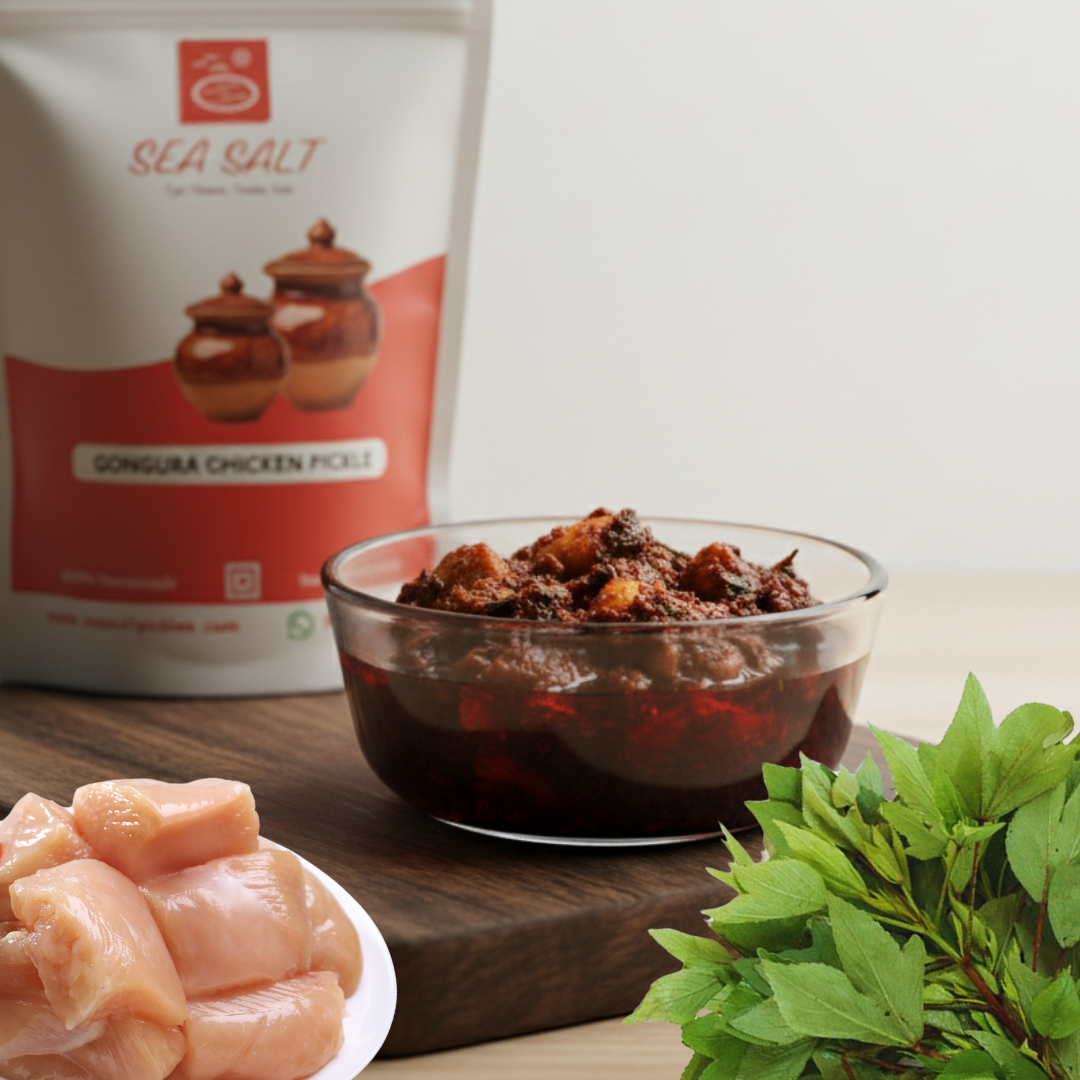
- Gongura Pachadi/Pulusu: Perhaps the most emblematic dish, Gongura (roselle leaves) is used to make incredibly tangy and spicy chutneys (pachadi) or curries (pulusu). Its unique sourness combined with chili heat is an instant classic and a must-try for anyone exploring Telugu food. Speaking of authentic flavors, our Gongura Chicken Boneless (Rs.699) is a perfect testament to the bold and tangy delights that define Andhra food, delivering that homemade taste directly to your table.
- Pesarattu: A healthy and popular breakfast crepe made from green gram, often served with a fiery ginger chutney (Allam Pachadi).
- Pulihara: Tamarind rice, lemon rice, or tomato rice – a fragrant and tangy rice dish, often prepared for festivals and special occasions.
- Gutti Vankaya Kura: Stuffed brinjal curry, a rich and aromatic dish where small eggplants are stuffed with a spicy peanut-sesame masala.
- Chepa Pulusu: A classic fish curry made with a rich tamarind gravy and a blend of traditional spices, showcasing the coastal influence.
- Hyderabadi Biryani: While originating from the Nizami kitchens, this fragrant rice dish with marinated meat (chicken or mutton), slow-cooked to perfection, is an inseparable part of Hyderabad food culture and a global culinary icon.
The Role of Food in South Indian Food Culture & Festivals
Food in Andhra Pradesh, much like in the broader South Indian food culture, is more than just sustenance; it's an integral part of life, rituals, and community bonding.
Celebrations and Feasts
Festivals like Ugadi (Telugu New Year), Sankranti, and Diwali are marked by elaborate feasts featuring a range of traditional dishes. Ugadi, for instance, starts with Ugadi Pachadi, a symbolic dish with six tastes (sweet, sour, salty, bitter, pungent, and spicy), representing the various facets of life. Sankranti, the harvest festival, sees homes filled with the aroma of Ariselu (sweet rice cakes), Boorelu (sweet dumplings), and Chakkera Pongali (sweet rice pudding).
Community and Hospitality
Hospitality is a cornerstone of Andhra culture. Guests are treated to lavish meals, and food is often prepared in large quantities for family gatherings, weddings, and temple festivals. The communal dining experience, often on banana leaves, fosters a sense of togetherness and shared heritage.
Sea Salt Pickles: Preserving Andhra's Culinary Heritage
At Sea Salt Pickles, we understand the profound love and passion that goes into creating authentic Andhra Pradesh cuisine. Our brand is a tribute to the timeless Andhra cooking traditions that emphasize fresh, high-quality ingredients and recipes passed down through generations. We strive to bring the true taste of homemade Andhra pickles, masalas, and snacks from Hyderabad directly to your table, ensuring that the rich flavors of our heritage are preserved and enjoyed by all.
From the fiery kick of our chili powders to the tangy delight of our Gongura preparations, every product reflects our commitment to authenticity and quality. We believe in celebrating the unique culinary identity of the region, making it accessible to food enthusiasts everywhere.
Frequently Asked Questions about Andhra Pradesh Cuisine
- Q1: What is Andhra cuisine most famous for?
- A1: Andhra cuisine is most famous for its intense spiciness, liberal use of tamarind for tanginess, and a wide variety of pickles (pachadulu) and spice powders (podis).
- Q2: How is Hyderabad food different from other Andhra food?
- A2: Hyderabad food, particularly the Nizami cuisine, is richer, more aromatic, and heavily influenced by Mughal and Persian culinary traditions, featuring slow-cooked dishes like Biryani and Haleem. Traditional Andhra food from other regions tends to be spicier, tangier, and more focused on local ingredients and simpler preparations.
- Q3: What are some staple ingredients in Telugu cooking?
- A3: Key staples in Telugu cooking include rice, various types of lentils (dals), red chilies, tamarind, curry leaves, mustard seeds, fenugreek, and groundnut oil. Vegetables like eggplant, drumstick, and leafy greens like gongura are also very popular.
- Q4: Is Andhra food always spicy?
- A4: While Andhra food has a reputation for being very spicy due to the generous use of chilies, it's not *always* fiery. Many dishes balance the heat with tanginess from tamarind or tomatoes, and there are milder preparations as well, especially in certain coastal areas or during festivals. However, a distinctive robust flavor profile is common.
Experience the Authentic Taste of Andhra
The culinary journey through Andhra Pradesh cuisine is an exploration of bold flavors, deep-rooted traditions, and a vibrant cultural narrative. From the fiery embrace of its chilies to the soothing comfort of its rice dishes, Telugu food offers a sensory feast that continues to captivate hearts and palates worldwide. At Sea Salt Pickles, we are passionate about bringing these authentic tastes of Hyderabad and Andhra Pradesh directly to you, crafted with the same love and care as in traditional homes.
Don't just read about it; taste the tradition! Explore our range of premium homemade Andhra pickles, masalas, and snacks. Shop now at seasaltpickles.com and bring the true essence of Andhra's culinary heritage to your kitchen today!
🛒 Try Our Gongura Chicken Boneless
Authentic, homemade, no preservatives. Crafted with love in Hyderabad.
Shop Now →