Curry Leaf Benefits: Karivepaku Uses & Nutrition Facts
Discovering the Magic of Curry Leaves: Karivepaku Benefits, Uses & Nutrition
From the sun-drenched kitchens of Hyderabad to homes across the globe, the humble yet potent curry leaf (known as karivepaku in Telugu) holds a special place. More than just a fragrant addition to your tempering, this vibrant green leaf is a powerhouse of flavor, aroma, and incredible health benefits. At Sea Salt Pickles, we celebrate the essence of authentic Andhra cuisine, and few ingredients embody that spirit quite like karivepaku. Join us as we delve deep into the world of this quintessential south Indian herb, exploring its diverse curry leaf benefits, traditional karivepaku uses, and remarkable nutritional profile.
The Humble Curry Leaf: A South Indian Superfood
Scientifically known as Murraya koenigii, the curry leaf tree is indigenous to India and Sri Lanka. Its leaves are an indispensable part of South Indian cooking, imparting a distinct, slightly nutty, citrusy, and pungent aroma that is instantly recognizable. Beyond its culinary charm, karivepaku has been revered in traditional Ayurvedic medicine for centuries, testament to its profound medicinal properties. It's truly a superfood masquerading as a simple seasoning, a cornerstone of healthful and flavorful cooking that defines many a delicious dish.
Unveiling the Remarkable Curry Leaf Benefits for Health
The array of curry leaf benefits is truly impressive, making it a valuable addition to your diet far beyond just flavor. Regular consumption can contribute significantly to overall well-being.
Rich in Antioxidants
Curry leaves are packed with powerful antioxidants like flavonoids, phenolic acids, and alkaloids. These compounds combat oxidative stress in the body by neutralizing harmful free radicals, which are linked to chronic diseases, aging, and inflammation. By incorporating karivepaku into your daily meals, you're essentially arming your body with a natural defense mechanism.
Supports Digestive Health
Traditionally, karivepaku has been used to alleviate digestive issues. Its mild laxative properties can aid in digestion and relieve symptoms like constipation. The fiber content in curry leaves helps in bowel regularity, while its carminative properties can help reduce gas and bloating, making your gut happier and healthier. This is one of the more widely recognized curry leaf benefits in traditional practices.
Promotes Hair Growth and Skin Health
Often hailed as a natural remedy for hair problems, curry leaves are rich in proteins, beta-carotene, and amino acids, which are vital for strengthening hair follicles and preventing hair loss. They can also help in fighting dandruff and premature graying. For skin, the antioxidants help in keeping it healthy and glowing, fighting off environmental damage and supporting a clear complexion.
May Help Manage Blood Sugar Levels
Several studies suggest that curry leaves possess anti-diabetic properties. The fiber in the leaves helps slow down carbohydrate absorption, preventing sudden spikes in blood sugar. Compounds like mahanimbine have also been linked to improved insulin activity. Including karivepaku in your diet can be a helpful, natural approach for those looking to manage their blood sugar.
Boosts Heart Health
The antioxidants in curry leaves are not just good for fighting free radicals but also play a role in protecting heart health. They can help reduce bad cholesterol (LDL) levels and increase good cholesterol (HDL) levels. This, coupled with their anti-inflammatory properties, contributes to a healthier cardiovascular system, making heart health another significant among curry leaf benefits.
Anti-inflammatory and Antimicrobial Properties
Curry leaves contain carbazole alkaloids, which exhibit strong anti-inflammatory and antimicrobial properties. This means they can help reduce inflammation in the body and fight off various bacterial and fungal infections, acting as a natural shield for your immune system.
Aids in Weight Management
For those on a weight loss journey, karivepaku can be a supportive ally. Its high fiber content promotes satiety, reducing overall calorie intake. Furthermore, some compounds in curry leaves are believed to help in fat metabolism and detoxification, contributing to healthy weight management.
Curry Leaves Nutrition: A Powerhouse of Goodness
Beyond the impressive list of health advantages, a look into curry leaves nutrition reveals why it's considered such a valuable dietary component. These small leaves are densely packed with essential nutrients:
- Vitamins: Rich in Vitamin A (beta-carotene), Vitamin B (B1, B2, B3, B9 - folic acid), Vitamin C, and Vitamin E.
- Minerals: A good source of calcium, iron, phosphorus, and zinc, all crucial for various bodily functions.
- Amino Acids: Contains essential amino acids, which are the building blocks of proteins.
- Fiber: High dietary fiber content aids in digestion and gut health.
- Antioxidants: As mentioned, a wealth of flavonoids and phenolic compounds.
Despite their rich nutrient profile, curry leaves are very low in calories, making them an excellent addition to almost any meal without adding significant caloric load. The comprehensive curry leaves nutrition makes them an ideal ingredient for enhancing both flavor and health.
Traditional Karivepaku Uses in Andhra Cuisine and Beyond
The versatility of karivepaku in the kitchen is unparalleled, especially in South Indian cooking. It's one of the most beloved south Indian herbs, used in countless ways to impart its unique fragrance and flavor.
Everyday Tempering (Popu/Tadka)
This is perhaps the most iconic use. A handful of fresh curry leaves are added to hot oil with mustard seeds, cumin, and dried chilies. This tempering, or 'popu,' forms the flavor base for dals, curries, chutneys, and rice dishes, awakening the senses with its crackling aroma.
The Aromatic Karivepaku Karam
For lovers of spicy and flavorful powders, karivepaku karam is a revelation. This traditional Andhra dry chutney powder is made by roasting curry leaves with lentils, red chilies, cumin, and other spices, then grinding them into a coarse powder. It’s often mixed with hot rice and a dollop of ghee, or sprinkled over idli, dosa, and even some vegetable stir-fries. The deep, earthy flavor of karivepaku karam is truly addictive and a staple in many Andhra households.
The Flavorful Curry Leaf Podi
Similar to karam but sometimes with slightly different spice blends, curry leaf podi is another popular dry condiment. It can be a simpler mix, focusing more on the distinct flavor of the leaves themselves, often with roasted lentils and minimal spices. This versatile curry leaf podi can be used as a seasoning for vegetables, a flavor enhancer for curries, or enjoyed simply with a meal.
Infusing Oils and Ghee
Adding curry leaves to hot oil or ghee not only tempers the dish but also infuses the fat with their unique aroma and some of their beneficial compounds. This infused oil can then be used in cooking or even as a hair oil for its nourishing properties.
Chutneys and Pastes
Fresh curry leaves are also ground into vibrant green chutneys, often combined with coconut, green chilies, tamarind, and other spices. These fresh pastes are served with breakfast items or as a side with meals, offering a burst of flavor and a dose of curry leaf benefits.
Herbal Remedies
In traditional medicine, karivepaku paste is applied to insect bites, burns, and bruises. Consuming a few raw leaves is believed to help with morning sickness and nausea. Its natural properties make it a go-to for various home remedies.
Beyond the Kitchen: Other Uses of Karivepaku
While primarily a culinary ingredient, karivepaku finds its way into other aspects of life too. Its aromatic essence is sometimes used in natural air fresheners, and its leaves are dried and powdered for use in homemade hair masks for strengthening and conditioning hair, further extending the versatility of this incredible south Indian herb.
Pairing the Aromatic Karivepaku with Sea Salt Pickles
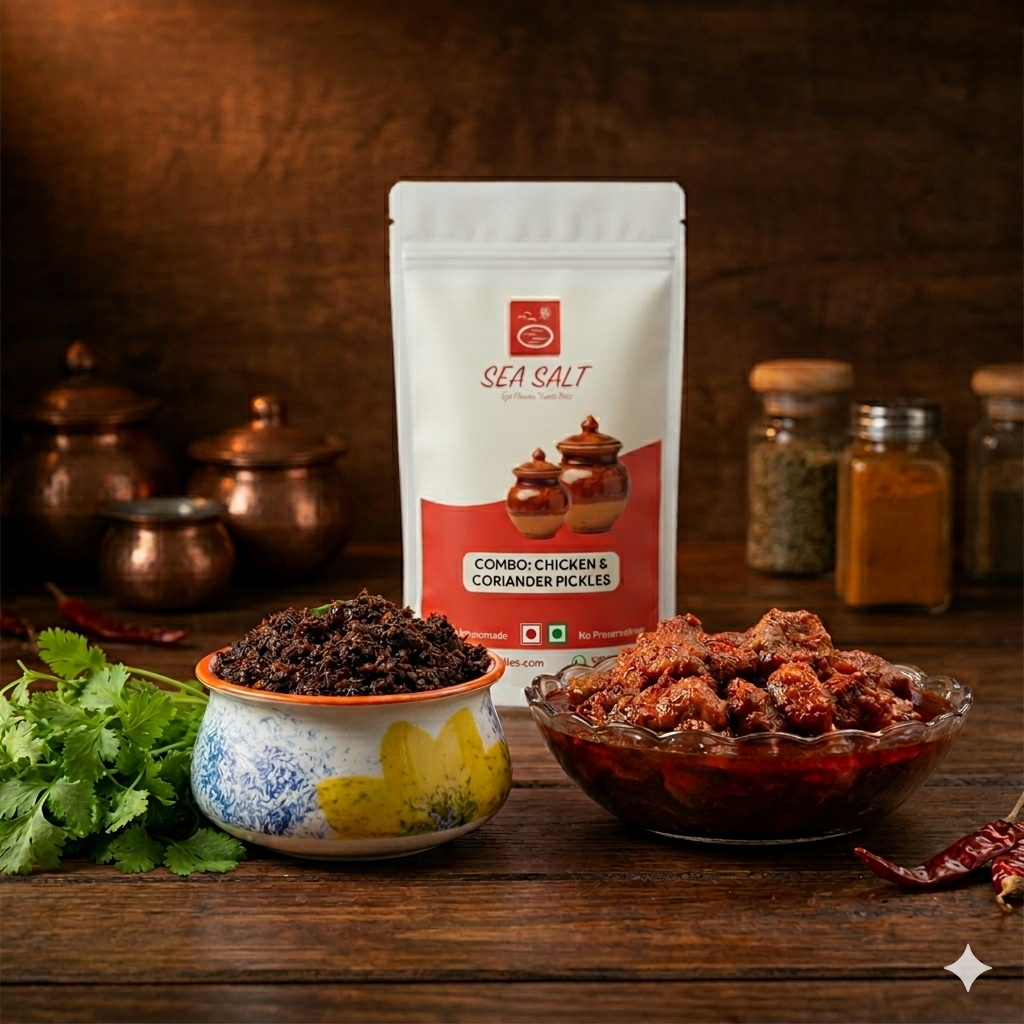
At Sea Salt Pickles, we understand the magic that authentic ingredients bring to a dish. The fresh, pungent, and slightly bitter notes of karivepaku provide a beautiful contrast and depth to rich, spicy, and tangy flavors – a hallmark of Andhra cuisine. Imagine a spoonful of our intensely flavorful pickles, like our exquisite Chicken + Coriander pickle, paired with rice that has been seasoned with a homemade karivepaku karam. The aromatic notes of the curry leaf powder cut through the richness of the chicken, creating a symphony of flavors that is truly unforgettable.
The sharp, clean taste of curry leaves, whether fresh in a tempering or as a powdered spice blend like curry leaf podi, complements the robust, complex spices in our range of homemade pickles and masalas. It's about creating a holistic culinary experience where every element enhances the other, bringing out the best of traditional Andhra flavors. The health-boosting curry leaf benefits also mean you're adding an extra layer of goodness to your already delicious meal.
We invite you to explore the perfect pairings that elevate your meals. A simple sprinkle of homemade curry leaf podi over plain rice or a hearty dal, enjoyed alongside any of our premium pickles, transforms a simple meal into an elaborate feast, celebrating the rich heritage of our region. Discover the authentic tastes of Hyderabad, crafted with care and tradition.
How to Grow and Store Curry Leaves
Having fresh curry leaves readily available enhances both flavor and the ability to harness their full curry leaf benefits. The curry leaf plant thrives in warm, humid climates and can be grown in pots, even indoors with sufficient sunlight. It requires well-drained soil and regular watering. Pruning encourages bushier growth.
To store, fresh leaves can be kept in an airtight container in the refrigerator for up to two weeks. For longer storage, wash and pat them dry, then freeze them in a Ziploc bag for several months. You can also sun-dry them until crisp, then crush them or grind them into a powder to use as a long-lasting spice or for making your own karivepaku karam or curry leaf podi.
FAQ: Your Questions About Curry Leaves Answered
Q1: Can I eat curry leaves raw?
Yes, curry leaves can be eaten raw. Many people chew a few fresh leaves daily to harness their health benefits, particularly for digestion and blood sugar management. They have a slightly pungent and bitter taste when raw.
Q2: What is the difference between curry leaves and curry powder?
Curry leaves are fresh or dried leaves from the curry tree (Murraya koenigii), a distinct herb. Curry powder, on the other hand, is a spice blend, typically containing turmeric, coriander, cumin, fenugreek, and chili powder, and usually does not contain curry leaves as a primary ingredient, though it might occasionally have dried ones.
Q3: How many curry leaves should I consume daily for health benefits?
There's no strict daily recommendation, but for general health, incorporating them regularly in cooking is beneficial. For specific health concerns, chewing 5-10 raw leaves daily, or consuming a teaspoon of curry leaf podi/karivepaku karam with meals, is a common traditional practice. Consult a healthcare professional for personalized advice.
Q4: Are there any side effects of eating curry leaves?
Curry leaves are generally safe for consumption. However, excessive intake might lead to mild digestive upset in some individuals. As with any food, moderation is key. If you have specific allergies or medical conditions, it's always best to consult your doctor.
Embrace the Goodness of Karivepaku with Sea Salt Pickles
The journey through the world of curry leaves reveals a treasure trove of flavors, aromas, and health advantages. This exceptional south Indian herb, with its myriad curry leaf benefits, from bolstering digestion to enhancing hair health, truly deserves its place as a culinary and medicinal marvel. Whether you're savoring the spicy kick of karivepaku karam, enjoying the subtle aroma of a curry leaf podi, or simply appreciating the fresh notes in a tempering, karivepaku enriches every meal.
At Sea Salt Pickles, we are dedicated to bringing you the most authentic and delectable tastes of Andhra. We invite you to experience the harmony of traditional flavors. Pair the wholesome goodness of karivepaku with our premium homemade pickles and masalas to create meals that are both nourishing and bursting with taste.
Ready to elevate your meals with authentic Andhra flavors? Explore the range of premium homemade pickles, masalas, and snacks at Sea Salt Pickles today! Visit seasaltpickles.com to bring the taste of Hyderabad to your home.
🛒 Try Our Chicken + Coriander
Authentic, homemade, no preservatives. Crafted with love in Hyderabad.
Shop Now →