Curry Leaf Benefits: Karivepaku Uses & Nutrition for Health
The Aromatic Powerhouse: Unveiling Curry Leaf Benefits & Karivepaku Uses
In the vibrant tapestry of Indian cuisine, particularly in the heart of South India, certain ingredients don't just add flavor; they weave magic. Among these, the humble yet mighty curry leaf, known as 'Karivepaku' in Telugu, stands out. More than just a fragrant garnish, these glossy green leaves are a cornerstone of traditional cooking and a treasure trove of health benefits. At Sea Salt Pickles, where authentic Andhra flavors meet wholesome goodness, we understand the profound role of fresh, high-quality ingredients like Karivepaku in crafting dishes that are both delicious and nutritious.
For centuries, curry leaf benefits have been revered in Ayurvedic medicine and traditional home remedies. From boosting digestion to promoting lustrous hair, the uses of Karivepaku extend far beyond the kitchen. Join us on a flavorful journey as we delve deep into the world of this extraordinary South Indian herb, exploring its nutritional profile, its incredible health advantages, and its indispensable role in creating iconic dishes like the fiery karivepaku karam and the versatile curry leaf podi.
The Humble Curry Leaf: A Powerhouse of Flavor and Health
What are Curry Leaves (Karivepaku)?
Curry leaves (Murraya koenigii or Bergera koenigii) are the aromatic leaves of a tree native to India. They are an essential ingredient in many South and Southeast Asian cuisines. Despite their name, they are not related to curry powder, though they are often used in dishes that are called 'curries.' Their distinct, slightly nutty, citrusy, and pungent aroma is unmistakable and forms the flavor base for countless preparations.
A Staple of South Indian Herbs
Karivepaku is arguably one of the most iconic South Indian herbs. Its presence is almost mandatory in tempering (popu or tadka) for everything from sambar and rasam to chutneys, stir-fries, and even some rice dishes. The fresh leaves are prized for their ability to infuse a dish with a unique depth of flavor that dried herbs simply cannot replicate. They are a testament to the region's rich botanical heritage and its deep-rooted culinary traditions.
Unveiling the Numerous Curry Leaf Benefits
Beyond their culinary charm, curry leaf benefits are extensive, making them a superfood in their own right. Packed with essential nutrients and bioactive compounds, these leaves offer a spectrum of advantages for your overall health.
Rich in Antioxidants
Curry leaves are a powerhouse of antioxidants, including flavonoids, vitamins A, B, C, and E, and carbazole alkaloids. These compounds help combat oxidative stress in the body by neutralizing harmful free radicals, thereby protecting cells from damage and reducing the risk of chronic diseases. This antioxidant capacity contributes significantly to their overall health-promoting properties.
Supports Digestive Health
Traditionally, curry leaves have been used to aid digestion. They are believed to possess mild laxative properties, which can help relieve constipation. The compounds in curry leaves may also stimulate digestive enzymes, improving nutrient absorption and alleviating symptoms like indigestion, nausea, and diarrhea. A handful of fresh curry leaves steeped in warm water is a common home remedy for an upset stomach.
May Help Manage Blood Sugar Levels
Several studies suggest that curry leaves can play a role in managing blood sugar levels, making them beneficial for individuals with diabetes or those at risk. The fiber content in curry leaves helps slow down sugar absorption. Moreover, carbazole alkaloids and other compounds may help improve insulin activity and protect pancreatic beta cells, which are responsible for insulin production.
Promotes Hair Growth and Skin Health
This is one of the most widely known traditional curry leaf benefits. Rich in proteins, beta-carotene, and amino acids, curry leaves are excellent for hair health. They help strengthen hair follicles, prevent hair fall, combat premature graying, and promote new hair growth. For skin, their antioxidant and antibacterial properties can help treat acne, reduce blemishes, and give a healthy glow. Curry leaf oil or paste is often applied topically for these benefits.
Anti-Inflammatory Properties
The presence of various compounds, including Mahanimbine and Koenimbin, gives curry leaves significant anti-inflammatory properties. Regular consumption can help reduce inflammation throughout the body, potentially easing symptoms of conditions like arthritis and other inflammatory diseases.
Cholesterol Management
Research indicates that curry leaves may help lower LDL (bad) cholesterol levels and increase HDL (good) cholesterol levels. The antioxidants in curry leaves can prevent the oxidation of cholesterol, a key step in the development of atherosclerosis and heart disease.
Aids in Weight Management
Curry leaves are low in calories and fat, yet rich in fiber, which promotes satiety and aids digestion. Their potential to improve metabolism and reduce fat accumulation makes them a helpful addition to a weight management diet. Chewing a few raw curry leaves in the morning is a popular practice for those aiming to shed extra pounds.
Boosts Eye Health
Being a good source of Vitamin A (beta-carotene), curry leaves are excellent for vision. Vitamin A is crucial for maintaining healthy eyesight, preventing night blindness, and protecting the cornea. Regular intake can contribute to long-term eye health.
Beyond Benefits: Culinary Uses of Karivepaku
While the health advantages are compelling, the culinary contribution of Karivepaku is truly legendary. It's not just an ingredient; it's an experience, especially in Andhra cuisine.
The Aromatic Tempering (Popu/Tadka)
The most common and fundamental use of curry leaves is in tempering. Sizzling fresh curry leaves in hot oil or ghee with mustard seeds, cumin, and sometimes urad dal and dry red chilies releases an intoxicating aroma that forms the soul of countless dishes. This 'tadka' is poured over dals, curries, chutneys, and rice preparations, instantly elevating their flavor profile.
Delicious Karivepaku Karam: A Flavorful Condiment
Karivepaku karam is a spicy, aromatic powder or paste made primarily from roasted curry leaves, various dals (lentils), red chilies, and spices. It's a staple in many Andhra homes, served as a side with hot rice and a dollop of ghee, or as a flavorful accompaniment to idli, dosa, and upma. Its vibrant green hue and intense flavor make it incredibly addictive.
Versatile Curry Leaf Podi: Your Instant Flavor Booster
Similar to karam but often with a slightly different spice blend and texture, curry leaf podi is another culinary gem. It's a dry spice powder, usually roasted to perfection, that can be sprinkled over almost anything for an instant burst of flavor. Think about adding it to stir-fried vegetables, eggs, or even as a coating for fried fish or chicken. Sea Salt Pickles celebrates these traditional flavors, ensuring every ingredient, including Karivepaku, is of the highest quality to deliver authentic taste.
Curry Leaves in Traditional Dishes
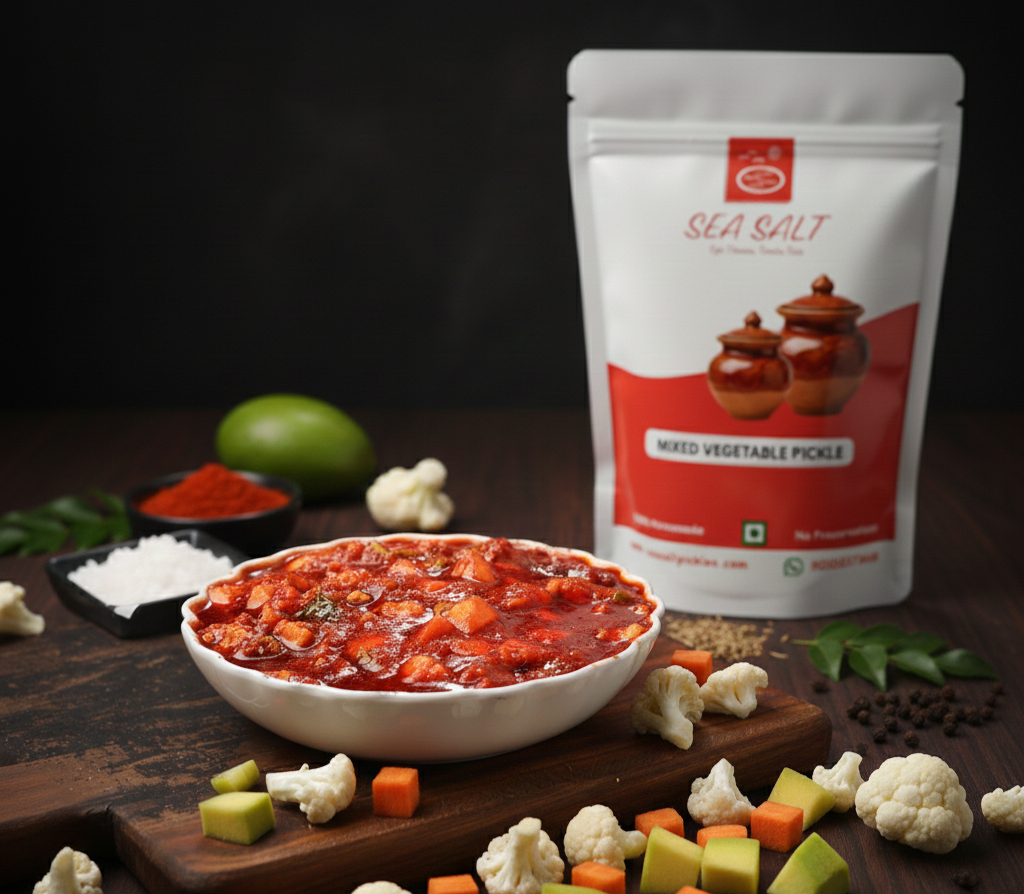
Beyond karams and podis, curry leaves are integral to many traditional Andhra dishes. They enhance the flavor of Pulihora (Tamarind Rice), various vegetable curries, and even non-vegetarian preparations. Their fresh, slightly peppery notes complement the richness of spices, creating a balanced and memorable taste. For instance, the robust flavors in our Mixed Vegetable Avakaya, priced at Rs. 365, are beautifully rounded out by the judicious use of such authentic ingredients, bringing out the true essence of homemade Andhra pickles.
Understanding Curry Leaves Nutrition
The impressive array of curry leaf benefits stems directly from its rich nutritional profile. These leaves are a concentrated source of vital nutrients:
- Vitamins: Rich in Vitamin A (beta-carotene), Vitamin B (Thiamine, Riboflavin, Niacin), Vitamin C, and Vitamin E.
- Minerals: Contains calcium, phosphorus, iron, zinc, and magnesium.
- Fiber: High in dietary fiber, which is crucial for digestive health.
- Antioxidants: Abundant in flavonoids, phenolic acids, and carbazole alkaloids.
- Amino Acids: Essential building blocks for proteins.
Just a small serving of curry leaves can contribute significantly to your daily nutrient intake, supporting various bodily functions and promoting overall well-being. This makes curry leaves nutrition an important aspect to consider for a healthy diet.
Incorporating Curry Leaves into Your Daily Diet
Adding curry leaves to your diet is incredibly easy and rewarding:
- Tempering: The simplest way is to include them in your daily tadka for dals, curries, and vegetable preparations.
- Chutneys and Dips: Blend fresh curry leaves into coconut chutney or other dips for an extra zing.
- Rice Dishes: Add them to Pulihora, Biryani, or even plain steamed rice for aroma.
- Smoothies: A few fresh leaves can be added to green smoothies for a health boost (though the taste might be strong for some).
- Herbal Tea: Steep a few leaves in hot water for a refreshing and healthful tea.
- Spice Powders: Prepare your own karivepaku karam or curry leaf podi for an instant flavor enhancer.
The Sea Salt Pickles Difference: Authentic Flavors, Wholesome Ingredients
At Sea Salt Pickles, we are passionate about bringing the true taste of Hyderabad's homemade Andhra cuisine to your table. Our commitment to quality means we meticulously select the freshest ingredients, including the finest Karivepaku, to ensure that every product, from our pickles to our masalas and snacks, embodies authentic flavor and wholesome goodness. We believe in preserving traditional recipes, handcrafted with love and without artificial preservatives, just like they've been made in generations of Andhra kitchens. The care we put into sourcing and preparing ingredients ensures that you not only savor incredible taste but also benefit from the natural goodness of ingredients like curry leaves.
Frequently Asked Questions (FAQ)
Q1: Can I eat raw curry leaves?
Yes, you can eat raw curry leaves. Many people chew a few fresh leaves on an empty stomach for their digestive and metabolic benefits. However, they have a strong, slightly bitter taste when raw.
Q2: How should I store fresh curry leaves?
To keep them fresh for longer, store curry leaves in an airtight container or a zip-lock bag lined with a paper towel in the refrigerator. They can last for up to 1-2 weeks. For longer storage, you can wash, pat dry, and freeze them, or dry roast them and store as a powder.
Q3: Are curry leaves and neem leaves the same?
No, curry leaves and neem leaves are entirely different plants, though they might look somewhat similar to an untrained eye. Curry leaves (Karivepaku) are aromatic and used extensively in cooking, while neem leaves are much more bitter and primarily used for medicinal purposes due to their potent antibacterial and antifungal properties.
Q4: What's the difference between karivepaku karam and curry leaf podi?
While both are spice powders made with curry leaves, karivepaku karam (especially in Andhra) often refers to a spicier, sometimes slightly coarser mixture, often consumed with rice and ghee. Curry leaf podi is a broader term for a dry spice powder that can be used more generally as a seasoning or sprinkled over various dishes. The exact ingredients and ratios can vary, leading to subtle differences in flavor and texture between the two.
Experience the Authentic Taste of Andhra with Sea Salt Pickles
From their incredible health benefits to their irreplaceable role in flavoring our favorite dishes, curry leaves are truly a gift from nature. At Sea Salt Pickles, we honor these traditions by bringing you products crafted with the same love, care, and quality ingredients that have defined Andhra cuisine for generations. Embrace the richness of authentic Indian flavors and the goodness of traditional ingredients. Shop our range of premium homemade pickles, masalas, and snacks today and discover the difference that genuine quality makes. Your culinary adventure awaits!
🛒 Try Our Mixed Vegetable Avakaya
Authentic, homemade, no preservatives. Crafted with love in Hyderabad.
Shop Now →