Gongura Pickle Recipe: Authentic Roselle Leaf Pickles from Andhra
The Zesty Heart of Andhra: Unveiling the Gongura Pickle Recipe
Welcome, food enthusiasts and culinary adventurers, to the vibrant world of Andhra cuisine! At Sea Salt Pickles, we celebrate the rich, bold, and unforgettable flavors that define our heritage. Today, we're diving deep into one of the most iconic and beloved condiments from the Telugu states: the Gongura Pickle. Known for its distinctive sourness and incredible versatility, this traditional pickle, made from what are commonly known as roselle leaves or sorrel leaves, is a staple in every Andhra household and a true testament to our culinary ingenuity.
More than just a condiment, Andhra Gongura is an emotion, a memory, and a burst of flavor that awakens the palate. Whether you call it Pulusu Kura, Ambadi, or Sorrel, the star ingredient – Gongura – stands out with its unique tartness, making it an irreplaceable part of our gastronomic landscape. While you can always find authentic, homemade quality at seasaltpickles.com, there's immense joy in crafting this culinary masterpiece yourself. Get ready to embark on a flavorful journey as we guide you through an authentic Gongura Pickle recipe, ensuring you capture the true essence of this Andhra classic.
The Magic of Gongura: Understanding Roselle Leaves
Before we don our aprons and gather our spices, let's take a moment to appreciate the star of our show: Gongura.
What is Gongura? The Versatile Roselle Leaf
Gongura (scientifically known as Hibiscus sabdariffa) is a leafy green vegetable characterized by its intensely sour taste. It's known by various names across India and the world, including Roselle, Sorrel Leaves, Ambadi (Marathi), Pundi Soppu (Kannada), and Pulichakeerai (Tamil). In Andhra Pradesh, it’s simply ‘Gongura’ – a name that evokes comfort, tradition, and incredible flavor. The leaves come in two main varieties: green-stemmed and red-stemmed. The red-stemmed variety is generally considered more sour and is often preferred for pickles due to its robust flavor and deeper color.
Nutritional Powerhouse and Health Benefits
Beyond its unparalleled taste, Gongura is a nutritional powerhouse. It's an excellent source of vitamins (A, B1, B2, B9, C), minerals (iron, calcium, magnesium, potassium), and antioxidants. It's believed to aid digestion, boost immunity, and even help in managing blood sugar levels. Incorporating this leafy green into your diet, whether through a delicious curry, dal, or our star roselle leaf pickle, is a fantastic way to enjoy its health benefits.
Why Gongura Pickle is a Culinary Treasure
The transformation of fresh gongura leaves into a pickle is an art form passed down through generations. The pickling process mellows some of its raw sourness while concentrating its unique flavor, creating a condiment that is both complex and incredibly addictive. It's the perfect accompaniment to plain rice, dosa, idli, or even as a zesty spread in a sandwich. Its popularity stems from its ability to elevate any simple meal into a memorable culinary experience.
Authentic Gongura Pickle Recipe: A Step-by-Step Guide
Crafting your own roselle leaf pickle is a rewarding experience. Here's a comprehensive guide to making a traditional Andhra-style Gongura Pickle that will tantalize your taste buds.
Ingredients List
- Gongura Leaves (red-stemmed preferred): 500 grams (approx. 5-6 bunches)
- Red Chillies (dry, whole, Byadgi or Guntur for heat): 100 grams (adjust to taste)
- Garlic Cloves: 1 whole pod (peeled, about 15-20 cloves)
- Fenugreek Seeds (Methi): 1 tablespoon
- Mustard Seeds: 2 tablespoons
- Cumin Seeds: 1 tablespoon
- Turmeric Powder: 1 teaspoon
- Tamarind (seedless, packed): 20 grams (optional, if you want extra tang)
- Salt: 3-4 tablespoons (to taste, adjust carefully as it's a preservative)
- Sesame Oil (or Groundnut Oil): 150-200 ml (for cooking and tempering)
Equipment Needed
- Large wide pan or kadai
- Grinder or mixer
- Airtight glass jar for storage
- Clean kitchen towels
Preparation Steps: Mastering Your Sorrel Leaf Recipe
Step 1: Preparing the Gongura Leaves
- Clean Thoroughly: Pluck the leaves from the stems. Wash them meticulously under running water to remove any dirt or impurities.
- Dry Completely: This is the MOST crucial step for a long-lasting pickle. Spread the washed gongura leaves on clean kitchen towels or a sheet, preferably under direct sunlight for 4-6 hours, or in a well-ventilated area indoors overnight. Ensure there is absolutely NO moisture left. Any water will spoil the pickle quickly.
Step 2: Roasting the Spices
- In a dry, wide pan, lightly roast the fenugreek seeds until fragrant and slightly browned. Remove and set aside.
- Next, roast the mustard seeds until they begin to splutter. Remove and set aside with the fenugreek.
- Then, dry roast the cumin seeds until aromatic. Remove and set aside.
- In the same pan, add a teaspoon of oil and fry the dry red chillies until they turn crisp and fragrant, but not burnt. Be careful not to inhale the fumes. Remove and set aside.
Step 3: Preparing the Gongura Paste
- In the same pan, add about 2-3 tablespoons of sesame oil. Add the dried gongura leaves and sauté them on medium heat. The leaves will wilt down significantly and change color to a darker green. Continue to cook until all the moisture has evaporated and the leaves are soft and pulpy. This might take 10-15 minutes.
- If using tamarind, add it to the sautéed gongura leaves for the last 2-3 minutes of cooking.
- Allow the cooked gongura to cool completely.
Step 4: Grinding the Pickle Paste
- In a mixer grinder, first, grind the roasted fenugreek, mustard, and cumin seeds into a coarse powder.
- Add the fried red chillies, peeled garlic cloves, turmeric powder, and salt to the mixer. Grind everything together with the spice powder until a coarse paste forms.
- Finally, add the cooled, sautéed gongura leaves to the mixer. Add a little more sesame oil if needed, and grind everything into a coarse, rustic paste. Avoid making it too smooth; a slightly textured pickle is more authentic. Taste and adjust salt if necessary.
Step 5: The Tempering (Tadka)
- In a separate small pan, heat the remaining sesame oil (about 100-150 ml) until hot.
- Add a teaspoon of mustard seeds, a teaspoon of cumin seeds, a few whole dry red chillies, and a pinch of asafoetida (hing). Allow the mustard seeds to splutter and the chillies to darken slightly.
- Add a few curry leaves (optional, but highly recommended for authentic flavor) and let them crisp up.
- Turn off the heat and let the tempering cool down slightly.
Step 6: Combining and Storing
- Pour the cooled tempering over the ground gongura pickle paste. Mix well with a clean, dry spoon.
- Transfer the prepared pickle into a clean, sterilized, airtight glass jar.
- Ensure there's a layer of oil on top; this acts as a natural preservative. If not, add a little more warmed and cooled sesame oil to cover the top.
- Let the pickle rest for a day or two before consuming for the flavors to meld beautifully.
Tips for a Perfect Roselle Leaf Pickle Every Time
Sourcing and Selecting Gongura
Always choose fresh, vibrant green or reddish-green leaves without any signs of wilting or yellowing. If you can find the red-stemmed variety, it often yields a more intensely flavored and visually appealing pickle.
The Importance of Drying
As reiterated, moisture is the enemy of any homemade pickle. Ensure your leaves are bone-dry before cooking. This step is non-negotiable for extending the shelf life of your roselle leaf pickle.
Adjusting Spice and Sourness Levels
The beauty of homemade is customization. If you prefer a milder pickle, reduce the number of red chillies. For extra tang, a small piece of tamarind can be added while sautéing the gongura. Remember, the natural sourness of gongura is quite potent, so taste as you go.
Storage and Shelf Life
When stored correctly in an airtight, sterilized glass jar with a layer of oil on top, your homemade Andhra Gongura pickle can last for several months at room temperature. Always use a clean, dry spoon to scoop out the pickle to prevent spoilage.
Beyond the Pickle Jar: How to Enjoy Gongura
While the pickle itself is a star, Gongura's versatility extends far beyond. It's the secret ingredient in many delightful Andhra dishes.
Traditional Pairings
The most classic way to enjoy gongura pickle is with hot steamed rice, a dollop of ghee, and perhaps some chopped onions. It also pairs wonderfully with dosa, idli, upma, or even plain roti. Its sharp, tangy profile cuts through richness and adds a punch to any meal.
Modern Twists
Don't be afraid to experiment! Use a spoonful of this tangy pickle to jazz up a simple cheese sandwich, mix it into a wrap with some grilled chicken, or even stir it into a plain lentil soup for an unexpected kick. It can add a unique zing to salad dressings or marinades.
The Versatility of Gongura: More Than Just Pickles
Gongura is also the base for various curries and dals. One famous preparation is gongura chicken, where the sour leaves are cooked with chicken, creating a rich, tangy, and spicy gravy that is incredibly popular. Similarly, Gongura Pappu (lentil stew) is a comfort food staple, showcasing the leaf's ability to transform simple ingredients into something extraordinary. This highlights the true depth of flavor that roselle leaves bring to the table.
Why Choose Homemade vs. Store-Bought?
Making your own sorrel leaf recipe for pickle is a deeply satisfying experience. You control the quality of ingredients, the level of spice, and the authenticity of the preparation. There's a certain pride in preserving tradition in your own kitchen. While there are many excellent commercially prepared pickles, including our own range of premium homemade Andhra pickles at Sea Salt Pickles, the process of creating something from scratch connects you to the culinary heritage in a unique way.
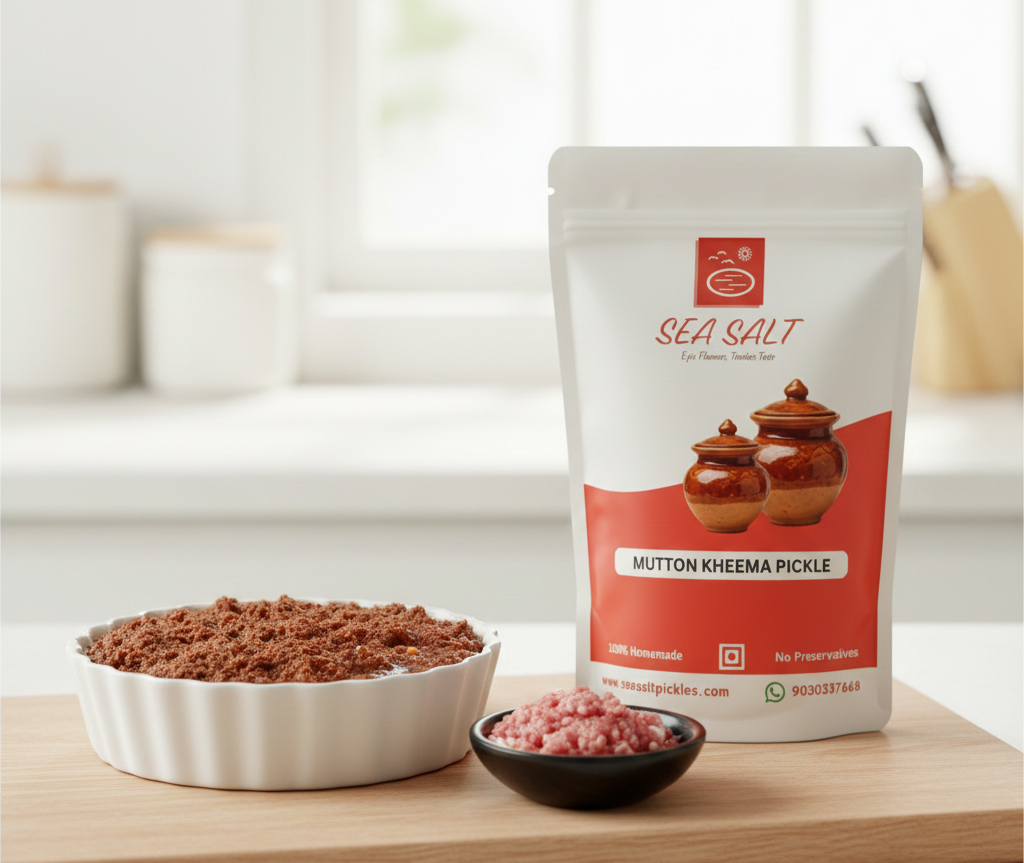
At Sea Salt Pickles, we understand and cherish this connection. Our commitment is to provide that authentic, homemade taste and quality without the effort, using traditional recipes and the finest ingredients, just like your grandmother would have made it. From fiery chili powders to rich non-vegetarian delights like our Mutton Kheema Pickle, every product tells a story of Andhra's culinary legacy.
Frequently Asked Questions (FAQ)
Q1: How long does gongura pickle last?
When stored correctly in a sterilized, airtight glass jar with a good oil layer, homemade gongura pickle can last for 3-6 months at room temperature. Refrigeration can extend its shelf life further, often up to a year.
Q2: Can I reduce the sourness of gongura pickle?
Yes, you can. If you find the pickle too sour, you can balance it by adding a little jaggery (or sugar) when grinding the paste, or by increasing the amount of salt and red chillies slightly. Roasting the leaves a bit longer can also mellow the sourness.
Q3: What are roselle leaves called in other languages?
Roselle leaves are known as Gongura (Telugu), Ambadi (Marathi), Pulichakeerai (Tamil), Pundi Soppu (Kannada), and Pitwaa (Hindi), among many other regional names.
Q4: Is gongura good for health?
Absolutely! Gongura is rich in vitamins (A, C, B-complex), minerals (iron, calcium), and antioxidants. It's known to aid digestion, boost immunity, and may help in maintaining healthy blood pressure and blood sugar levels.
Embrace the Tangy Legacy
Crafting your own Gongura Pickle is more than just cooking; it's an act of preserving a culinary tradition. The distinct tang of the roselle leaf, combined with the warmth of Indian spices, creates a flavor profile that is truly unparalleled. We hope this comprehensive sorrel leaf recipe inspires you to bring the authentic taste of Andhra into your kitchen.
Whether you choose to make it from scratch or savor the convenience and quality of our artisanal creations, the joy of Andhra cuisine is always within reach. Explore a world of authentic, homemade Andhra pickles, masalas, and snacks that capture the essence of Hyderabad's rich culinary heritage. Your journey into extraordinary flavors begins here.
Ready to explore more authentic Andhra flavors? Visit Sea Salt Pickles today and discover our premium range of homemade delights!
🛒 Try Our Mutton Kheema Pickle
Authentic, homemade, no preservatives. Crafted with love in Hyderabad.
Shop Now →