Gongura Pickle Recipe: Authentic Andhra Roselle Leaf Delight
The Zesty Heart of Andhra: Mastering the Gongura Pickle Recipe
In the vibrant tapestry of Indian cuisine, Andhra Pradesh stands out with its bold flavors, fiery spices, and an unparalleled love for pickles. At the very core of this culinary identity lies a pickle that evokes strong emotions and ignites taste buds like no other: Gongura Pickle. Also known as Roselle Leaf Pickle, this sour and spicy condiment is a testament to the region's rich gastronomic heritage, a staple in every Andhra household, and a dish that truly defines the local palate.
For generations, families have cherished and passed down the secrets of making the perfect Andhra Gongura. At Sea Salt Pickles, we understand this reverence for tradition. While we pride ourselves on crafting premium, homemade Andhra pickles, masalas, and snacks with authentic flavors, we also believe in empowering you to create these culinary masterpieces in your own kitchen. This comprehensive guide will walk you through the journey of making an authentic, lip-smacking gongura pickle from scratch, transforming humble roselle leaves into a jar of liquid gold.
What is Gongura? Unveiling the Roselle Leaf
Before we dive into the recipe, let's get acquainted with the star ingredient: Gongura. Scientifically known as Hibiscus sabdariffa, these distinctive leaves are often referred to as Roselle leaves or Red Sorrel leaves. They are characterized by their deeply lobed structure and, most importantly, their intensely sour taste, which is the defining characteristic of any authentic gongura pickle.
Gongura comes in two main varieties: green-stemmed and red-stemmed. While both are used, the red-stemmed variety is often preferred for its slightly more pronounced sourness and vibrant color contribution to the pickle. Beyond its unique flavor, gongura is also a nutritional powerhouse. It's rich in iron, vitamins (especially Vitamin C), antioxidants, and fiber, making this delicious pickle a surprisingly healthy addition to your diet.
The Soul of Andhra Cuisine: Why Gongura Pickle Reigns Supreme
For an Andhraite, gongura pickle is not just a condiment; it's an emotion, a memory, and an essential part of every meal. Its unparalleled sourness, perfectly balanced with the heat of chilies and the aroma of tempered spices, creates a flavor profile that is both complex and incredibly satisfying. It's the kind of pickle that elevates a simple plate of rice and ghee into a gourmet experience.
The versatility of gongura extends far beyond just pickles. It's a key ingredient in many other beloved Andhra dishes, such as Gongura Pappu (lentil stew) and Gongura Mamsam (meat curry). The sourness of the leaves acts as a natural tenderizer and flavor enhancer, making dishes like gongura chicken particularly succulent and flavorful. But it's in its pickled form that gongura truly shines, allowing its unique character to take center stage.
Authentic Andhra Gongura Pickle Recipe: A Step-by-Step Guide
Crafting the perfect roselle leaf pickle requires attention to detail and a passion for authentic flavors. Follow this traditional sorrel leaf recipe to create a batch that will transport you straight to the heart of Andhra.
Ingredients You'll Need:
- Fresh Gongura (Roselle) Leaves: 500 grams (approx. 2 large bunches)
- Dry Red Chillies (Guntur/Byadgi for color & heat): 100-120 grams (adjust to spice preference)
- Garlic Cloves: 1 whole pod, peeled
- Tamarind: A small lemon-sized ball (optional, for extra tang if gongura is less sour)
- Fenugreek Seeds (Methi): 1 tablespoon
- Mustard Seeds (Avalu): 2 tablespoons
- Cumin Seeds (Jeera): 1 tablespoon
- Turmeric Powder: 1 teaspoon
- Asafoetida (Hing): 1/2 teaspoon
- Salt: 3-4 tablespoons (to taste, rock salt preferred)
- Groundnut Oil (or Sesame Oil): 250-300 ml (ensure good quality)
Essential Equipment:
- Large wide pan or kadai
- Grinding jar (mixer/blender)
- Airtight glass jars for storage
Preparation & Cooking Instructions:
Clean and Dry the Gongura Leaves:
- Carefully pluck the gongura leaves from their stems. Discard any yellow or damaged leaves.
- Wash the leaves thoroughly under running water, ensuring all dirt is removed.
- Spread the washed leaves on a clean cloth or paper towels in a single layer. Let them air dry completely for 4-6 hours, or until there is absolutely no moisture left. This step is crucial for the pickle's shelf life.
Roast and Grind Spices:
- Heat 1 tablespoon of oil in a pan. Add fenugreek seeds and roast until light golden and fragrant. Remove and set aside.
- In the same pan, add mustard seeds and let them splutter. Then add cumin seeds and roast for a minute until fragrant. Remove and set aside.
- Dry roast the dry red chilies on a medium-low flame until they turn slightly dark and aromatic, being careful not to burn them. Allow to cool.
- Once cooled, grind the roasted fenugreek, mustard, cumin seeds, and dry red chilies into a coarse powder.
Sauté the Gongura:
- In the same pan, add about 2-3 tablespoons of oil. Once hot, add the dried gongura leaves.
- Sauté the leaves on medium heat until they wilt completely and change color, turning a darker green and releasing their moisture. This usually takes about 10-15 minutes. The leaves should look mushy and cooked down. Remove from heat and let cool.
Prepare the Masala Base:
- In a mixer grinder, combine the sautéed gongura leaves, peeled garlic cloves, turmeric powder, and salt. Add the tamarind (if using).
- Grind this mixture into a coarse paste. Do not add water. Scrape down the sides as needed. The texture should be rustic, not overly smooth.
Temper the Pickle:
- Heat the remaining groundnut oil (about 200-250 ml) in a clean, dry pan. This is a generous amount, but essential for preservation and flavor.
- Once the oil is hot but not smoking, reduce the flame to low. Add mustard seeds and let them splutter.
- Then add a pinch of fenugreek seeds, cumin seeds, and asafoetida. Sauté for a few seconds until fragrant.
- Turn off the heat.
Combine and Store:
- Pour the hot tempered oil and spices over the gongura paste in a large bowl.
- Add the previously ground roasted spice powder (from step 2) to this mixture.
- Mix everything thoroughly using a clean, dry spoon. Ensure the oil is well incorporated and coats all the pickle.
- Taste and adjust salt if necessary.
- Once cooled completely, transfer the homemade gongura pickle into clean, sterilized, airtight glass jars.
Mastering Your Gongura Pickle: Tips for Perfection
- Dryness is Key: Ensure your gongura leaves are absolutely free of moisture before cooking. Any water can spoil the pickle quickly.
- Quality Oil: Use good quality groundnut or sesame oil (gingelly oil). The oil acts as a preservative and contributes significantly to the flavor.
- Rock Salt for Best Results: Using rock salt (kallu uppu) is traditional and believed to enhance the flavor and shelf life of pickles.
- Adjusting Spice: The quantity of dry red chilies can be adjusted to your heat preference. For a milder pickle, reduce the amount.
- Sterilize Jars: Always use clean, dry, and sterilized glass jars for storage to prevent spoilage.
- Patience for Flavor: While delicious immediately, the flavors of gongura pickle often meld and deepen over a day or two.
Beyond the Pickle Jar: Other Delights with Gongura
While this roselle leaf pickle is a star in its own right, the versatility of gongura extends to many other culinary creations. Imagine a comforting bowl of Gongura Pappu, where the sour leaves are cooked with lentils to create a wholesome and tangy dal. Or for meat lovers, the robust flavors of gongura chicken or mutton curry, where the tang of the leaves beautifully cuts through the richness of the meat, creating an unforgettable dish.
Your homemade gongura pickle is best enjoyed with hot steamed rice, a dollop of ghee, and perhaps some chopped onions. It also pairs wonderfully with idli, dosa, and even as a spread in sandwiches for a spicy kick.
Preserving the Tang: Storage Tips for Your Homemade Gongura Pickle
Proper storage is crucial to ensure your labor of love lasts for months. Once your gongura pickle has cooled completely, transfer it to sterilized, airtight glass jars. Ensure there's a layer of oil on top of the pickle; this acts as a natural seal and prevents mold growth. Store the jars in a cool, dry place away from direct sunlight. For extended shelf life, especially in humid climates, refrigeration is recommended. Always use a clean, dry spoon when serving to avoid introducing moisture or contaminants.
Why Sea Salt Pickles is Your Go-To for Andhra Delicacies
While the joy of making your own gongura pickle is immense, sometimes life calls for convenience without compromising on authentic taste. That's where Sea Salt Pickles comes in. We meticulously craft each of our pickles, masalas, and snacks with premium ingredients, traditional recipes, and a commitment to homemade quality, straight from Hyderabad.
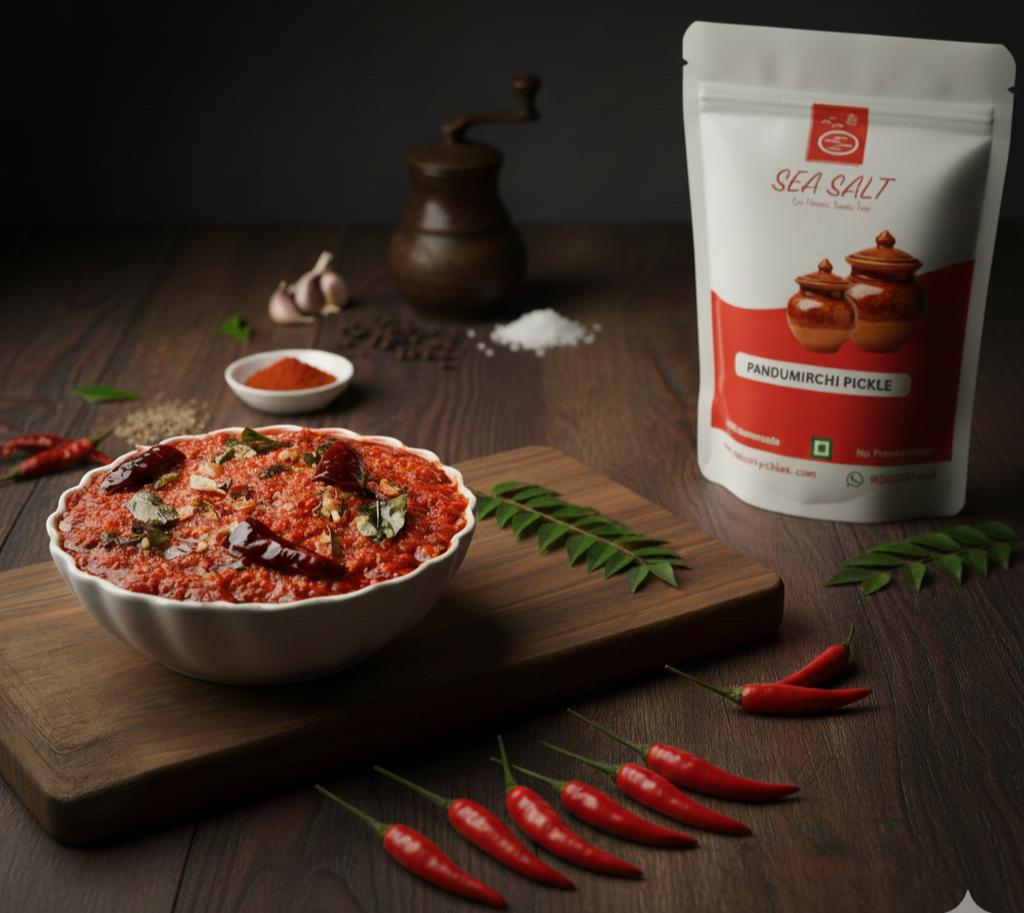
Our range brings the true essence of Andhra cuisine to your doorstep. Just like our signature gongura pickle captures the essence of Andhra, our Pandu Mirchi Pachadi (Rs.365) offers another vibrant taste journey, a testament to the rich culinary heritage we uphold. We ensure that every bite delivers the authentic, spicy, and tangy flavors that Andhra is famous for. Experience the convenience of premium, homemade quality that tastes just like grandma made it.
Frequently Asked Questions (FAQ) about Gongura Pickle
- What exactly are gongura leaves?
Gongura leaves, also known as Roselle leaves or Red Sorrel, are the leaves of the Hibiscus sabdariffa plant. They are famous in Indian cuisine, particularly in Andhra Pradesh, for their distinctively sour taste and are used in various dishes, most notably pickles and curries. - Is gongura pickle good for health?
Yes, gongura leaves are quite healthy! They are rich in iron, essential vitamins (especially Vitamin C), antioxidants, and dietary fiber. While the pickle form contains oil and salt, consuming gongura in moderation provides several nutritional benefits. - How long can homemade gongura pickle be stored?
When prepared correctly with adequate oil, salt, and stored in sterilized, airtight glass jars in a cool, dry place, homemade gongura pickle can last for 3-6 months, sometimes even longer. Refrigeration can further extend its shelf life. - Can I use dried gongura leaves for this recipe?
While fresh gongura leaves are highly recommended for the best flavor and texture in this roselle leaf pickle recipe, dried gongura can be used as an alternative if fresh leaves are unavailable. However, you might need to rehydrate them slightly before cooking, and the flavor profile might differ slightly from the fresh version.
Savor the Authentic Taste of Andhra
Embarking on the journey of making your own gongura pickle is a truly rewarding experience, connecting you to the heart of Andhra's culinary traditions. The aroma of roasted spices, the vibrant green of the roselle leaves, and the final burst of sour-spicy flavor – it's an adventure for all your senses. We hope this comprehensive sorrel leaf recipe inspires you to create a jar of this incredible delicacy.
Ready to savor the true taste of Andhra without the fuss? Visit seasaltpickles.com today and bring home the authentic flavors crafted with passion and tradition. Shop our premium range of pickles, masalas, and snacks, and let Sea Salt Pickles elevate your dining experience!
🛒 Try Our Pandu Mirchi Pachadi
Authentic, homemade, no preservatives. Crafted with love in Hyderabad.
Shop Now →