How Pickles Are Made: Traditional Methods & Sea Salt Pickling
The Timeless Art of Traditional Pickle Making: A Journey from Farm to Jar
In a world of fast food and instant gratification, some culinary traditions stand as a testament to patience, skill, and the bounties of nature. Among these, the art of traditional pickle making holds a revered place, especially in Indian households. It's more than just a recipe; it's a heritage passed down through generations, a careful dance between fresh ingredients, aromatic spices, and the transformative power of time. At Sea Salt Pickles, nestled in the heart of Hyderabad, we honor this legacy, bringing you the authentic taste of Andhra that tells a story with every bite.
Have you ever wondered how pickles are made with that unforgettable depth of flavor and unique texture? It’s a process steeped in wisdom, where every step contributes to the final masterpiece. Forget artificial preservatives and quick fixes; traditional methods rely on natural processes like sun-drying and fermentation, ensuring a product that is both delicious and wholesome. Let's embark on a flavorful journey to uncover the secrets behind this ancient culinary craft.
The Foundation: High-Quality Ingredients
The soul of any exceptional pickle lies in the quality of its ingredients. For true homemade achar, there are no shortcuts. It begins with selecting the freshest, most vibrant fruits and vegetables, ideally seasonal and locally sourced. Think ripe mangoes, tangy lemons, fiery chillies, or plump tomatoes – each picked at its peak to ensure maximum flavor and nutritional value. This careful selection is paramount, as the raw produce forms the backbone of the pickle's character.
Next comes the salt. Not just any salt, but often coarse sea salt. The practice of sea salt pickling is fundamental, drawing out moisture, enhancing flavors, and acting as a natural preservative. Beyond salt, a symphony of spices comes into play: mustard seeds, fenugreek, turmeric, asafoetida, and red chilli powder – meticulously roasted and ground to perfection. High-quality oils, typically sesame or groundnut oil, are also crucial, adding richness, depth, and further aiding in preservation.
Demystifying Pickle Fermentation: Nature's Magical Transformation
One of the most fascinating aspects of traditional pickle making is the role of pickle fermentation. Unlike modern methods that often rely on vinegar for a quick preservation, traditional pickles, especially those from India, harness the power of beneficial microorganisms. This natural process not only preserves the food but also enhances its flavor, texture, and even its nutritional profile.
During lactic acid fermentation, naturally occurring bacteria, primarily Lactobacillus species, convert sugars in the vegetables into lactic acid. This acid acts as a natural preservative, inhibiting the growth of harmful bacteria while creating that characteristic tangy flavor profile we all love. It's a slow, patient process, often aided by sunlight and ambient temperatures, allowing the flavors to meld and deepen over time. This is the heart of what makes traditional pickles so complex and utterly delicious, a world away from mass-produced versions.
Step-by-Step: How Traditional Pickles Are Made
While specific recipes vary across regions and ingredients, the core steps in how pickles are made traditionally follow a similar pattern. Here’s a general overview:
1. Preparation of Produce
The journey begins with meticulous preparation. Fruits or vegetables are thoroughly washed, often peeled (depending on the ingredient), and then carefully chopped into the desired size. A critical step for many traditional pickles, particularly in sunny climates like Andhra Pradesh, is sun-drying. Spreading the chopped produce on clean cloths or mats under direct sunlight helps to reduce moisture content, concentrate flavors, and prevent spoilage. This can take anywhere from a few hours to several days, depending on the ingredient and weather.
2. The Art of Salting and Brining
Once dried, the produce is generously coated or mixed with salt. This is where sea salt pickling truly shines. The salt draws out any remaining moisture through osmosis, creating a natural brine. This initial salting is vital for texture, flavor, and kickstarting the preservation process. For some pickles, ingredients might be packed into jars with a salt solution (brine) for a period before further steps.
3. Crafting the Spice Blend (Masala)
This is where the magic truly unfolds, and regional variations come to life. A unique blend of spices, often roasted and freshly ground, forms the heart of the pickle's flavor. For Andhra pickles, this might include mustard seeds, fenugreek seeds, red chilli powder (often a specific regional variety like Guntur Sannam), turmeric, and asafoetida. Each spice is chosen not just for flavor but also for its preservative qualities. The spices are often tempered in hot oil before being mixed with the salted produce.
4. Mixing, Jarring, and Maturation
All the prepared ingredients – the salted produce, the aromatic spice blend, and often a generous amount of hot oil – are combined thoroughly. This mixture is then carefully transferred into sterilized ceramic jars (bharanis) or glass jars. These jars are traditionally kept in a sunny spot for several days or even weeks. The sunlight, combined with ambient warmth, encourages the pickle fermentation process, allowing the flavors to meld, deepen, and transform. The oil acts as a seal, preventing air contact and further aiding preservation. The jars are often shaken or stirred daily for the first few days to ensure even distribution and fermentation.
5. Proper Storage for Longevity
Once the pickle has matured to perfection, it is stored in a cool, dark place. Traditional pickles, especially those made with care and proper methods, can last for months, or even years, becoming more flavorful with age. Always use a clean, dry spoon to serve to prevent contamination.
The Sea Salt Pickles Difference: A Taste of Tradition
At Sea Salt Pickles, we are deeply committed to these time-honored practices. Our philosophy revolves around bringing you authentic Andhra flavors, crafted with the same love, patience, and traditional techniques that our grandmothers used. Every batch of our homemade achar is a labor of love, from sourcing the freshest local produce to meticulously preparing our signature spice blends.
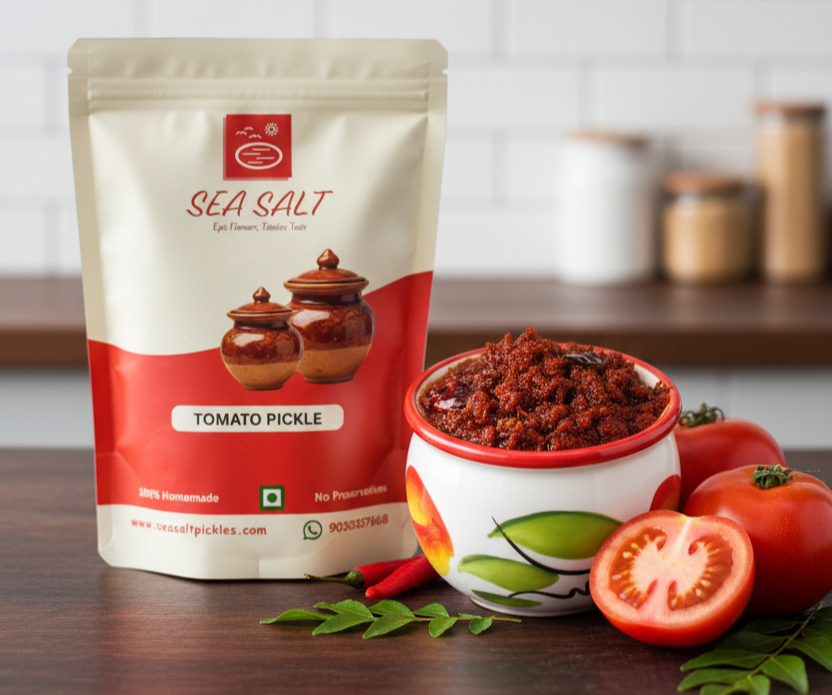
Our commitment to natural ingredients and the power of sea salt pickling means you taste the true essence of Andhra Pradesh. Take our Tomato Pickle, for instance. Priced at just Rs.300 for 300g, it’s a shining example of this dedication. Made with ripe, juicy tomatoes, sun-dried, and blended with a secret mix of traditional Andhra spices, it undergoes a natural maturation process, resulting in a rich, tangy, and subtly spicy flavor that perfectly complements any meal. It's more than just a condiment; it's a piece of our heritage, carefully preserved for your enjoyment.
Why Choose Traditional Pickles?
Beyond their incredible taste, there are numerous reasons to embrace traditional pickle making:
- Unmatched Flavor Complexity: The slow process of pickle fermentation and maturation allows for a deeper, more nuanced flavor profile that quick-pickled versions simply cannot replicate.
- Nutritional Benefits: Fermented pickles can be a source of beneficial probiotics, supporting gut health. The natural ingredients retain more of their original nutritional value.
- Cultural Heritage: Each traditional pickle carries with it stories, regional identity, and culinary wisdom passed down through generations.
- Natural Preservation: Relying on salt, oil, spices, and fermentation, traditional pickles avoid artificial preservatives, colors, and flavors.
Frequently Asked Questions About Traditional Pickle Making
Q1: What's the main difference between traditional and commercial pickles?
Traditional pickles primarily use natural fermentation, salt, oil, and spices for preservation, relying on time and natural processes for flavor development. Commercial pickles often use vinegar, artificial preservatives, and quick processing methods for faster production and longer shelf life, often compromising on authentic flavor and natural benefits.
Q2: Is sun exposure necessary for pickle fermentation?
While not strictly 'necessary' for all fermentation (some ferments do well in cool, dark places), for many traditional Indian pickles, especially Andhra ones, sun exposure is vital. It aids in drying, helps kickstart and maintain the fermentation process, and contributes to the unique flavor and texture development, especially for fruit and vegetable pickles.
Q3: How long does homemade achar last?
A well-made homemade achar, stored properly in sterilized jars in a cool, dark place, can last for many months, even up to a year or more. The high salt, oil, and spice content, combined with natural fermentation, acts as excellent preservatives. Always use a clean, dry spoon to prevent spoilage.
Q4: Can I use any salt for sea salt pickling?
While you can use various types of salt, coarse sea salt is often preferred for sea salt pickling due to its natural mineral content, which can subtly enhance flavor, and its slower dissolving rate, which allows for better moisture extraction without over-salting too quickly. Avoid iodized salt as iodine can sometimes interfere with the fermentation process and may alter color.
Experience the Authentic Taste of Andhra with Sea Salt Pickles
The journey of how pickles are made traditionally is a testament to culinary heritage, patience, and the incredible flavors that nature provides. From the careful selection of produce to the magical transformation of pickle fermentation and the expertise of sea salt pickling, every step contributes to the exquisite taste of homemade achar. At Sea Salt Pickles, we are proud to uphold these traditions, bringing you a piece of Hyderabad's rich culinary legacy in every jar.
Ready to experience the authentic taste of Andhra? Explore our exquisite range of homemade pickles, masalas, and snacks today. Let the flavors of tradition enrich your meals and delight your senses!
Shop now at seasaltpickles.com and discover your new favorite!
🛒 Try Our Tomato Pickle
Authentic, homemade, no preservatives. Crafted with love in Hyderabad.
Shop Now →