Indian Pickle Varieties: A Regional Guide to Achar Types
The Vibrant World of Indian Pickles: A Culinary Journey
India, a land of unparalleled culinary diversity, boasts a gastronomic treasure trove that tantalizes taste buds across the globe. Among its many jewels, pickles, or 'achar', hold a special place. More than just a condiment, an Indian pickle is a burst of flavor, a symphony of spices, and a testament to centuries of culinary wisdom. Each region, sometimes even each household, has its unique take on these fermented or oil-preserved delights. From the tangy sweetness of the North to the fiery pungency of the South, the sheer range of indian pickle varieties is astounding.
At Sea Salt Pickles, hailing from the heart of Hyderabad, we deeply appreciate this heritage. We invite you on a flavorful journey to explore the myriad achar types that define India's regional kitchens. This comprehensive guide will traverse the length and breadth of the country, introducing you to the distinct characteristics of regional pickles India has to offer.
North India: A Symphony of Sweet & Tangy Flavors
The pickles of North India are often characterized by a balance of sweet, sour, and spicy notes, frequently using mustard oil as a base and incorporating whole spices like fenugreek, fennel, and nigella seeds. The climate here allows for sun-drying techniques that further enhance flavor and shelf life.
Mango Pickle (Aam ka Achar)
The undisputed king of pickles in North India, Aam ka Achar comes in countless variations. From the spicy, oil-laden Punjab style to the tangy, more vinegary UP style, this pickle is a staple in almost every home. Raw mangoes are marinated with a potent mix of red chili powder, turmeric, fenugreek seeds, mustard seeds, and asafoetida, then left to mature in the sun, developing deep, complex flavors.
Mixed Vegetable Pickle (Mixed Achar)
A seasonal delight, the mixed vegetable pickle is a colorful medley of carrots, cauliflower, turnips, green chilies, and sometimes even ginger. Each vegetable retains its distinct texture while soaking up the vibrant spice blend, making it a versatile accompaniment to parathas and meals.
Lemon Pickle (Nimbu Achar)
North Indian lemon pickles can range from intensely sour and salty to pleasantly sweet. Often made with whole or quartered lemons, they are steeped in their own juices, salt, and spices for months, transforming into a tender, aromatic relish. The sweet version often includes jaggery or sugar, offering a delightful contrast.
Gobi Shalgam Gajar Achar
A winter specialty, especially popular in Punjab, this unique pickle combines cauliflower (gobi), turnip (shalgam), and carrot (gajar). What sets it apart is the use of jaggery or sugar to create a distinct sweet and sour profile, complemented by warming spices like ginger, garlic, and red chilies. It’s a hearty pickle that truly embodies North Indian comfort.
West India: Coastal Flavors and Unique Blends
Western India's pickles reflect its diverse geography, from the arid desert regions of Rajasthan to the coastal belts of Gujarat and Maharashtra. Expect a mix of sweet, spicy, and sometimes earthy flavors, with a focus on local produce and preservation techniques.
Gujarati Gor Keri
A quintessential Gujarati pickle, Gor Keri is a sweet and spicy mango pickle that perfectly balances jaggery's richness with chili's heat and mustard's pungency. Made from grated raw mangoes, it's a delightful accompaniment that adds a unique twist to any meal, embodying the Gujarati preference for a touch of sweetness.
Ker Sangri Pickle (Rajasthan)
From the arid landscapes of Rajasthan comes the unique Ker Sangri Pickle. Ker berries and Sangri beans, native to the region, are dried and then pickled with an array of spices and mustard oil. This pickle offers an earthy, slightly tangy, and spicy flavor profile, showcasing the ingenuity of desert cuisine.
Konkani Ambemohar Pickle (Maharashtra)
While mango pickle is ubiquitous, Maharashtra's Konkan region boasts its own distinctive style. Often made with smaller, local mango varieties, this pickle emphasizes a balance of spices like fenugreek, mustard, and asafoetida, with a generous use of oil to create a rich, aromatic flavor that's less overtly fiery than some other regional variations.
East India: Subtle Spices and Indigenous Ingredients
The pickles of Eastern India, encompassing states like West Bengal, Odisha, and the Northeastern states, often feature mustard oil as a primary medium. They are known for their nuanced flavors, sometimes incorporating unique local ingredients and fermentation techniques.
Bengali Mango Pickle (Aam Kasundi)
Bengali pickles, especially those featuring mustard (kasundi), are renowned for their pungent kick. Aam Kasundi is a vibrant example, where raw mangoes are pickled in a potent mustard paste, often fermented, resulting in a sharp, tangy, and deeply aromatic condiment that pairs wonderfully with rice and fried dishes.
Bamboo Shoot Pickle (Northeast India)
The Northeastern states of India are famous for their unique use of fermented ingredients. Bamboo shoot pickle is a prime example, offering an intensely sour, slightly bitter, and often spicy flavor. It's a staple in many tribal cuisines, adding a distinct umami depth to meals.
Green Chili Pickle (Mirchi Achar)
Simple yet potent, the green chili pickle is popular across East India. Made with fiery green chilies, mustard oil, and a handful of spices, it provides a spicy punch that awakens the palate. It's often prepared with minimal fuss, letting the raw heat of the chilies shine through.
South India: The Heart of Pungent & Spicy Flavors
Stepping into South India is like entering a different dimension of pickle-making. Here, pickles are characterized by their bold, often fiery, and richly spiced profiles, with liberal use of sesame oil (gingelly oil) or groundnut oil. The focus is on robust flavors that complement the region's rice-heavy diet.
Andhra Avakaya (Mango Pickle)
The undisputed king of south indian pickles, especially from Andhra Pradesh, is Avakaya. This iconic mango pickle is legendary for its intense spiciness, generous use of mustard powder, and copious amounts of oil. There are numerous sub-varieties, such as Magaya (dried mango pickle), Bellam Avakaya (sweetened with jaggery), and Kobbari Avakaya (with coconut). Each bite of Avakaya is an explosion of flavor, a true representation of the vibrant culinary spirit of the region.
Gongura Pickle
A unique and highly cherished pickle, Gongura Pachadi is made from sour sorrel leaves. This distinctly Andhra delicacy offers a tangy, slightly bitter, and spicy flavor that is incredibly addictive. It's a perfect example of how indigenous greens are transformed into culinary masterpieces in the form of telugu pickles.
Tomato Pickle (Tomato Pachadi)
A versatile and beloved pickle, South Indian tomato pickle is a rich, tangy, and spicy condiment made from ripe tomatoes cooked down with tamarind, jaggery, and a special blend of spices. It's often served with idli, dosa, or mixed with hot rice and a dollop of ghee.
Lemon Pickle (Nimmakaya Pachadi)
While North India has its lemon pickle, the South Indian version, Nimmakaya Pachadi, is distinct. It often uses whole, sun-dried lemons, cured in salt and then mixed with a fiery spice blend and tempered with mustard and fenugreek seeds. It’s intensely sour, salty, and spicy – a true palate cleanser.
Ginger Pickle (Allam Pachadi)
A staple in Andhra households, Allam Pachadi is a unique ginger pickle that offers a sweet, tangy, and spicy kick. Made with fresh ginger, tamarind, jaggery, and chilies, it's particularly popular as an accompaniment to breakfast items like dosa and idli, known for its digestive properties.
At Sea Salt Pickles, we pride ourselves on bringing you the authentic taste of Hyderabad, with our range of meticulously crafted homemade Andhra and South Indian pickles. Our recipes are passed down through generations, ensuring every jar delivers that genuine homemade flavor and fiery zest that telugu pickles are famous for.
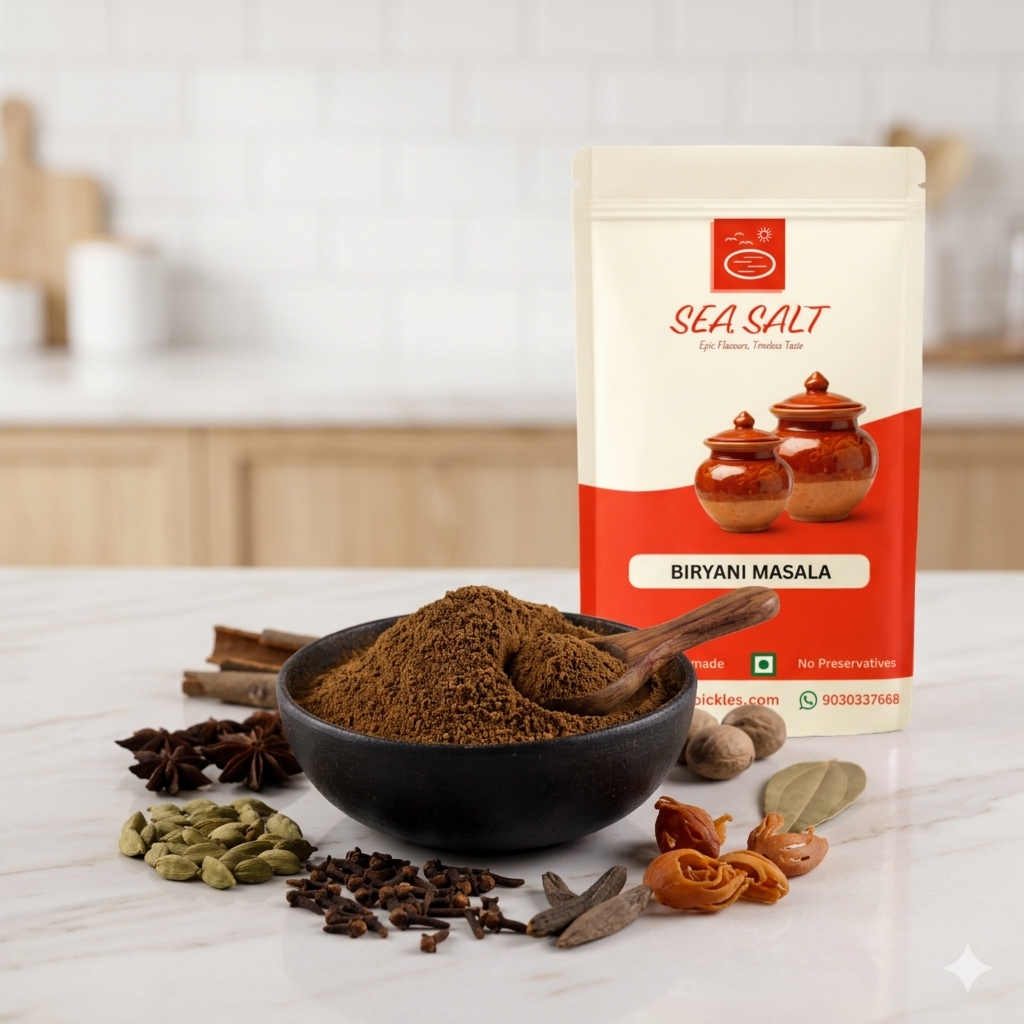
Beyond the tangy delights of pickles, don't forget the power of a good masala to transform your cooking. For example, our exquisite Biryani Masala (Black Masala) is a secret ingredient for many who crave that authentic, rich Biryani flavor, much like how a perfect pickle completes a South Indian thali.
The Art of Pickle Making: A Culinary Heritage
The creation of Indian pickles is an art form, deeply rooted in tradition and passed down through generations. It's a blend of precise spice ratios, careful ingredient selection, and patience. Whether it's the sun-drying of mangoes for Avakaya or the slow fermentation of vegetables, each step contributes to the pickle's unique character and longevity. These traditional methods ensure not just flavor but also natural preservation, making pickles a vital part of Indian food culture.
Finding Your Favorite: Exploring Indian Pickle Varieties
The journey through India's pickle landscape is endless and exciting. Each region, with its distinct climate, produce, and culinary philosophy, contributes to an incredible array of indian pickle varieties. We've only scratched the surface of the vast world of achar types and the incredible diversity of regional pickles India offers.
Whether you prefer the sweet notes of a North Indian mango pickle or the fiery punch of a South Indian Gongura, there’s a pickle out there waiting to become your next obsession. Don't hesitate to explore and experiment; your taste buds will thank you!
Frequently Asked Questions (FAQ)
Q1: What are the main types of Indian pickles?
Indian pickles are broadly categorized by their main ingredient (e.g., mango, lemon, chili, mixed vegetable) and the region they come from (e.g., North Indian, South Indian, Bengali). They are often preserved in oil, vinegar, or their own juices with a blend of spices.
Q2: How long do Indian pickles last?
Properly made and stored Indian pickles can last from several months to a year, and sometimes even longer. Factors like oil content, salt, acidity, and hygiene play crucial roles. Always store them in a cool, dry place away from direct sunlight, using a clean, dry spoon.
Q3: Are Indian pickles healthy?
While pickles are rich in flavor and can aid digestion due to fermentation (in some types), they are often high in salt and oil. Enjoying them in moderation as a condiment is key. Some traditional pickles also contain beneficial spices.
Q4: What's the difference between North and South Indian pickles?
North Indian pickles often feature a balance of sweet, sour, and spicy, using mustard oil and whole spices. South Indian pickles, particularly telugu pickles, are generally bolder, spicier, and more pungent, with a generous use of sesame oil or groundnut oil, and often include ingredients like mustard powder and tamarind for a rich, tangy kick.
Discover Authentic Flavors with Sea Salt Pickles
From the sun-kissed fields of Andhra to your dining table, Sea Salt Pickles brings you the authentic taste of homemade Indian pickles, masalas, and snacks. We honor tradition by using only the finest ingredients and time-tested recipes, ensuring every product is a burst of genuine flavor. Explore our exquisite range of south indian pickles, masalas, and more, and elevate your meals with a touch of homemade goodness.
Shop now at seasaltpickles.com and bring the true taste of Andhra to your home!
🛒 Try Our Biryani Masala (Black Masala)
Authentic, homemade, no preservatives. Crafted with love in Hyderabad.
Shop Now →