Indian Pickle Varieties: A Comprehensive Regional Guide
Discovering the Diverse World of Indian Pickle Varieties
India, a land celebrated for its culinary diversity, boasts an unparalleled range of pickles – known as 'achar' or 'uppinakayi' or 'oorugai' – that reflect its vibrant regional cuisines. From the snowy peaks of the Himalayas to the sun-kissed coasts of the south, every state, every community, and often every household, has its own cherished recipes for these tangy, spicy, and sometimes sweet condiments. These aren't just side dishes; they are a culinary heritage, deeply ingrained in the fabric of Indian meals, adding a burst of flavour and excitement to even the simplest plate.
At Sea Salt Pickles, we understand this profound love for authentic, homemade flavours. Hailing from Hyderabad, the heart of Andhra, we are intimately familiar with the rich tradition of pickling, particularly the famed Telugu pickles. Join us on a gastronomic journey as we explore the incredible spectrum of Indian pickle varieties, guiding you through the distinct achar types that define India's culinary map.
The Vibrant Tapestry of Indian Pickle Varieties: A Regional Guide
The beauty of regional pickles India offers lies in its adaptation to local produce, climate, and taste preferences. While mango and lemon pickles are ubiquitous, their preparation varies dramatically from one region to another.
North India: Robust Flavours & Hearty Pickles
North Indian pickles are often characterized by their robust, mustard oil base and generous use of whole spices. They tend to be spicier and more oil-rich, designed to last through harsh winters.
- Punjab: The land of rich gravies and tandoori delights also excels in pickles. Classic Punjabi Aam ka Achar (mango pickle) is fiery and tangy, often made with whole spices like fenugreek, fennel, mustard, and nigella seeds. Mixed vegetable pickles (Gobhi Gajar Shalgam Achar) are also very popular, especially during winter.
- Uttar Pradesh: Known for its intricate spicing, UP offers a range of pickles from red chilli (Laal Mirch ka Achar) to jackfruit (Kathal ka Achar) and even unique amla (Indian gooseberry) pickles.
- Rajasthan: Reflecting its arid landscape, Rajasthani pickles often feature ingredients like ker sangri (desert berries and beans), which are dried and then pickled. Green chilli and garlic pickles are also staples.
- Bihar: Bihari pickles, particularly the garlic and green chilli varieties, are known for their pungent flavour and minimal oil, relying on strong spices and sun-drying for preservation.
East India: Sweet, Sour & Spicy Delights
Eastern Indian pickles often incorporate a hint of sweetness or a unique sourness, influenced by ingredients like jaggery, vinegar, and indigenous fruits.
- West Bengal: Bengali pickles (Achar) often balance sweet and sour notes. Mango, tamarind, and tomato pickles are common, sometimes made with a touch of jaggery. The Kasundi, a pungent mustard sauce, is also a form of condiment, though not a pickle in the traditional sense.
- Odisha: Odia cuisine features pickles made from mango, tamarind, and the unique Ambula (dried mango) pickle. Fish and prawn pickles are also found along the coast.
- Assam & Northeast: The pickles from India's northeastern states are distinctive, using bamboo shoots, various wild herbs, and the infamous Bhut Jolokia (ghost pepper) for extreme heat. Pork and fish pickles are also very popular here.
West India: Tangy & Sweet-Sour Sensations
Western Indian pickles are often characterized by their sweet and sour profiles, with jaggery and specific spice blends playing a crucial role.
- Gujarat: Gujarat is famous for its sweet mango pickles like Gorkeri (mango in jaggery syrup) and Chundo (shredded mango pickle), which are delightful sweet and sour preparations. Lime (Limbu Achar) and garlic pickles are also common.
- Maharashtra: Maharashtrian pickles are typically spicier. Mango, lemon, and mixed vegetable pickles are staples. The Loncha (pickle) tradition here is robust, with unique blends of spices.
- Goa: With its coastal influence, Goan pickles include fish and prawn varieties, alongside traditional mango and lime pickles, often with a distinct vinegar base.
South India: Aromatic Spices & Culinary Depth
The South Indian states offer an explosion of flavours, often using sesame oil, strong mustard, and a generous kick of chilli. The pickling tradition here is ancient and revered, especially when it comes to south indian pickles.
Andhra Pradesh & Telangana: The Home of Telugu Pickles
When it comes to telugu pickles, Andhra Pradesh and Telangana stand unparalleled. The pickles from this region are legendary for their fiery heat, potent spices, and the unique flavour profile imparted by specific chilli varieties and oils. They are an integral part of every meal, defining the culinary identity of the Telugu people.
- Avakaya (Mango Pickle): The undisputed king of Andhra pickles, Avakaya is a seasonal delight made with specific varieties of raw mango, mustard powder, red chilli powder, garlic, and sesame oil. There are numerous sub-varieties like Kobbari Avakaya (with coconut), Pesarapappu Avakaya (with moong dal), and Mamidikaya Avakaya (plain mango).
- Gongura Pickle: Made from sorrel leaves, Gongura Pachadi is a tangy, spicy, and incredibly flavourful pickle that is highly cherished.
- Allam (Ginger) Pickle: A unique sweet-spicy-tangy pickle, Allam Pachadi is a fantastic accompaniment to dosas, idlis, and even rice.
- Tomato Pickle (Tomato Pachadi): A ubiquitous presence, this tangy and spicy pickle is versatile and can be made quickly.
- Non-Vegetarian Pickles: Andhra is also famous for its robust non-vegetarian pickles, including prawn (Royyala Pachadi), chicken (Kodi Pachadi), and fish (Chepa Pachadi). These are rich, spicy, and intensely flavourful, often consumed with rice.
At Sea Salt Pickles, we bring you the authentic taste of these traditional telugu pickles, crafted with age-old recipes and the finest ingredients, just like grandma used to make.
Tamil Nadu: Unique Combinations
Tamil Nadu's pickles are known for their distinct tempering and often use gingelly (sesame) oil.
- Narthangai (Citron) Pickle: A sour and slightly bitter pickle, excellent for digestion.
- Kadugu Manga (Mustard Mango) Pickle: Tender mango pieces pickled in a mustard oil base, sometimes with a touch of jaggery.
- Vadu Manga: Tiny, tender mangoes pickled whole, a true delicacy.
Karnataka: Subtle & Savoury
Karnataka features a diverse range of pickles, often with a slightly milder spice profile compared to its eastern neighbours.
- Nimbe (Lemon) Pickle: A tangy and spicy staple, found in various forms.
- Mavina Hannu (Mango) Pickle: Karnataka has its own versions of mango pickles, often using specific local mango varieties.
- Mixed Vegetable Pickles: Incorporating local vegetables and spice blends.
Kerala: Coastal & Coconut Infused
Kerala's pickles often reflect its coastal bounty, with a unique flavour profile influenced by coconut and local spices.
- Manga (Mango) Pickle: A quick, tangy mango pickle, often made with vinegar.
- Chemmeen (Prawn) Pickle: Spicy and flavourful, showcasing the state's seafood abundance.
- Beef/Fish Pickle: Popular non-vegetarian pickles, often with a strong ginger-garlic base.
Beyond the Jar: The Essence of Achar Types
Understanding the diversity of achar types isn't just about the main ingredient; it's also about the intricate science and art of pickling. Traditional Indian pickling involves a careful balance of salt, oil, spices, and sometimes acids (like vinegar or lemon juice) to preserve the food and enhance its flavour. Sun-drying plays a crucial role in many recipes, drawing out moisture and intensifying flavours naturally.
Common spices that define these unique Indian pickle varieties include mustard seeds, fenugreek seeds, asafoetida, turmeric, red chilli powder, and a variety of whole spices like fennel and nigella. The choice of oil – mustard oil in the North, sesame oil in the South, or groundnut oil elsewhere – also significantly impacts the final taste and aroma of the pickle.
Elevating Your Meals with Authentic Flavours: Introducing Kura Karam
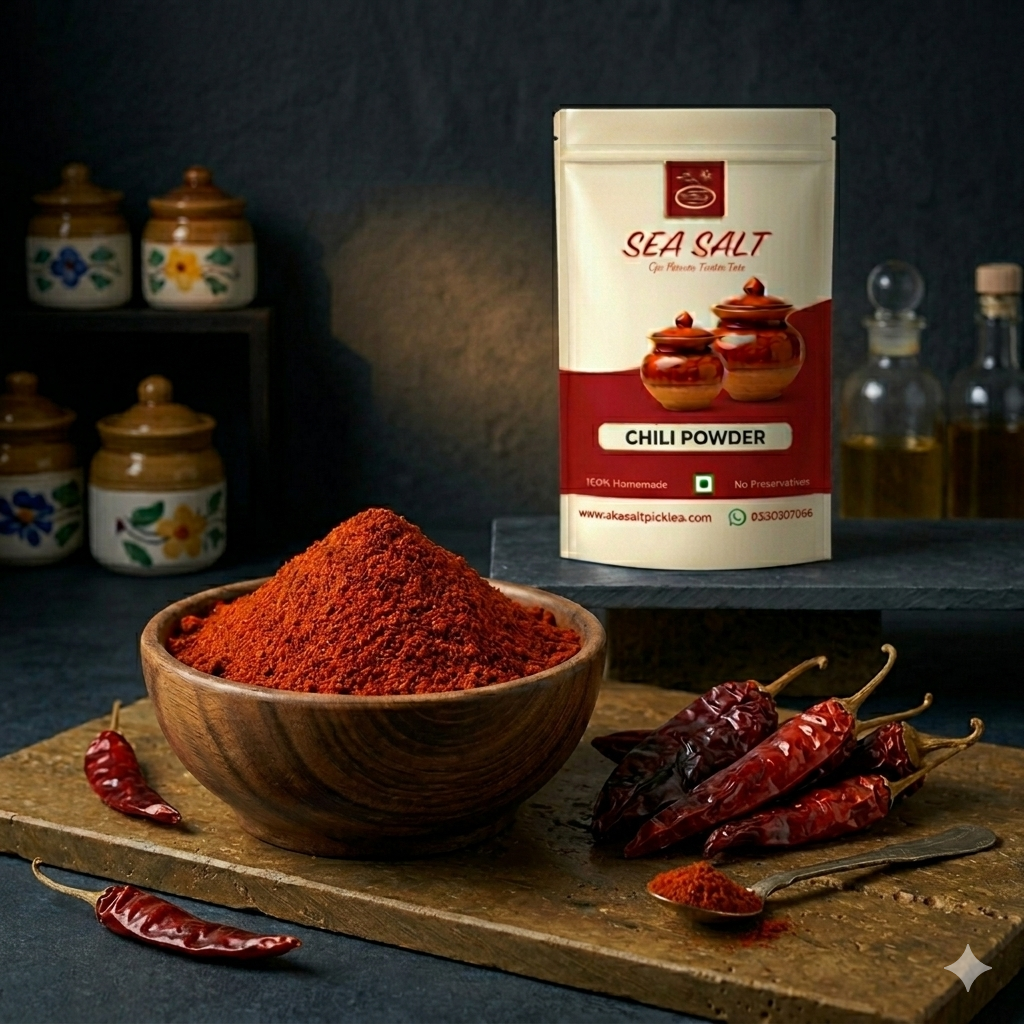
Speaking of flavour, the soul of many Indian dishes, including our beloved pickles, lies in their aromatic spice blends. At Sea Salt Pickles, we pride ourselves on bringing you authentic tastes from the heart of Andhra. While you explore the diverse Indian pickle varieties, we invite you to discover another gem from our kitchen: Kura Karam (Rs.300).
This versatile, flavourful spice powder is a testament to the rich culinary heritage of our region. Crafted with a perfect blend of high-quality spices, Kura Karam is perfect for enhancing your curries, stir-fries, and even as a spicy sprinkle on snacks. It embodies the vibrant essence that complements any meal, much like a perfectly crafted pickle. Discover the magic of authentic Andhra spices and shop Kura Karam at seasaltpickles.com/products/kura-karam.
Why Choose Sea Salt Pickles?
At Sea Salt Pickles, we are committed to preserving the authenticity and homemade goodness of traditional Andhra pickles. Our products are made with the freshest ingredients, time-honoured recipes, and without any artificial preservatives. When you choose us, you're not just buying a pickle; you're bringing home a piece of Hyderabad's rich culinary legacy, prepared with love and care.
Frequently Asked Questions about Indian Pickles
-
What is the difference between North Indian and South Indian pickles?
North Indian pickles often use mustard oil and whole spices, tending to be richer and spicier. South Indian pickles, particularly Telugu pickles, frequently use sesame oil, strong mustard powder, and higher chilli content, resulting in a more pungent and fiery flavour profile.
-
Are Indian pickles healthy?
In moderation, traditional Indian pickles can offer benefits like aiding digestion due to fermentation (in some types) and providing beneficial bacteria. However, they are typically high in oil and salt, so they should be consumed as a condiment rather than a main dish.
-
How long do homemade Indian pickles last?
Properly made and stored, many traditional Indian pickles can last for several months to over a year. Key factors for longevity include adequate oil, salt, spices, airtight storage, and avoiding moisture contamination. Refrigeration can extend their shelf life further.
-
Can I make vegetarian and non-vegetarian pickles?
Yes, India offers a vast array of both vegetarian and non-vegetarian pickles. While mango, lemon, and mixed vegetable pickles are classic vegetarian options, many regions, especially coastal areas and Andhra Pradesh/Telangana, are famous for non-vegetarian pickles like chicken, fish, prawn, and even beef (in some communities).
Embark on Your Flavour Adventure
The journey through India's diverse achar types is a testament to its incredible culinary landscape. Each region offers a unique story, told through the intricate balance of spices, ingredients, and traditional methods. From the fiery telugu pickles of Andhra to the sweet and sour delights of Gujarat, there's an Indian pickle for every palate and every meal.
Ready to bring authentic, homemade Indian flavours to your table? Explore our exquisite range of premium Andhra pickles, masalas, and snacks today. Visit seasaltpickles.com to shop now and elevate your dining experience with the true taste of India!
🛒 Try Our Kura Karam
Authentic, homemade, no preservatives. Crafted with love in Hyderabad.
Shop Now →