Indian Pickle Varieties: A Regional Guide to Achar Types
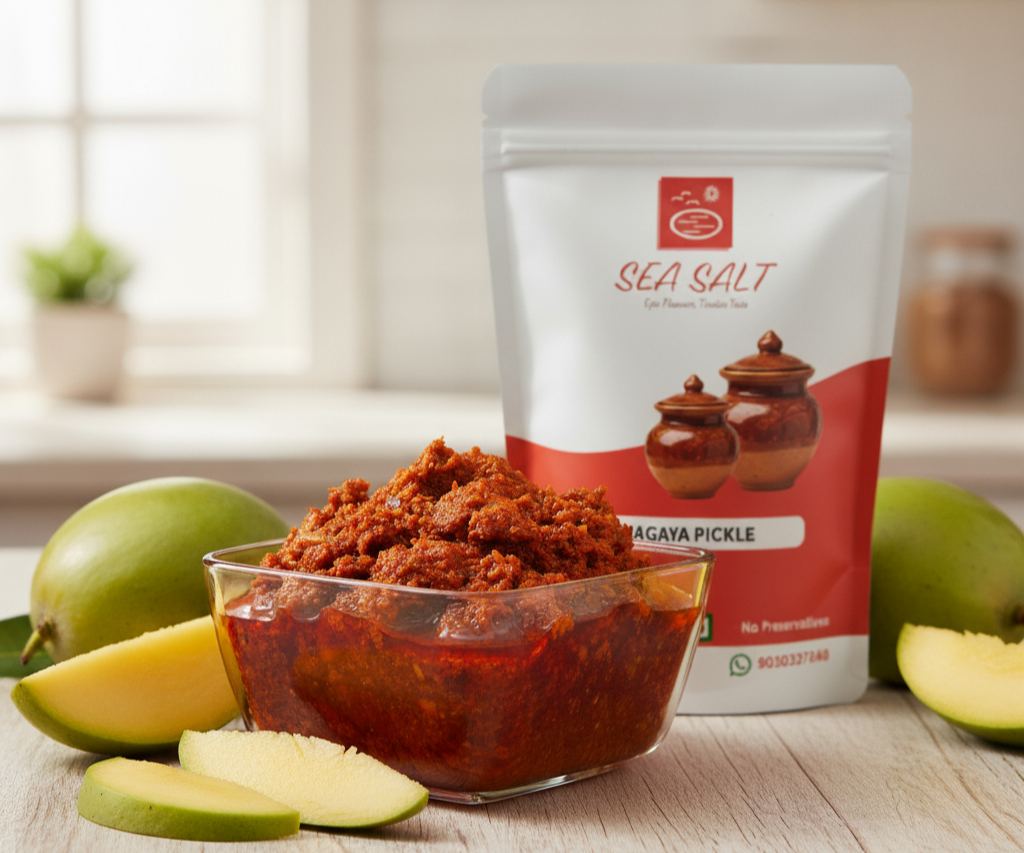
Unveiling India's Culinary Treasure: A Deep Dive into Indian Pickle Varieties
India, a land celebrated for its vibrant culture and diverse cuisine, offers a sensory journey like no other. At the heart of this culinary tapestry lies the humble yet indispensable pickle, or 'achar' as it's affectionately known. More than just a condiment, pickles are a heritage, a tradition passed down through generations, each region boasting its own unique blend of spices, ingredients, and techniques. From the sun-drenched plains of the North to the spice-laden coasts of the South, the array of indian pickle varieties is astounding, reflecting the country's incredible agricultural bounty and culinary innovation.
At Sea Salt Pickles, we understand this profound love for authentic, homemade taste. Hailing from Hyderabad, the heartland of exquisite telugu pickles, we bring you the true essence of traditional Andhra flavors, crafted with premium ingredients and time-honored recipes. Join us on an exciting journey as we explore the fascinating world of achar types across India, celebrating the regional nuances that make each jar a unique experience.
A Journey Through India's Regional Pickles: Aachar Types by Region
The beauty of regional pickles India lies in their distinct character, shaped by local produce, climate, and historical influences. Let's embark on a culinary tour, region by region, to discover the incredible diversity of these beloved accompaniments.
North Indian Pickles: Robust Flavors of the Plains
North India's pickles are known for their robust, often oil-laden, and deeply spiced profiles. Mango is king here, but the variety extends far beyond.
- Mango Pickle (Aam ka Achar): The quintessential Indian pickle. From the tangy, raw mango chunks marinated in mustard oil and a medley of spices in Uttar Pradesh and Punjab, to the sweeter, jaggery-infused versions, mango pickle is a staple.
- Mixed Vegetable Pickle (Mixed Achar): A delightful blend of carrots, cauliflower, turnip, green beans, and sometimes even ginger and garlic, pickled in a pungent mustard oil base.
- Chilli Pickle (Mirch ka Achar): Available in various forms – whole green chilies, red chilies, or even stuffed chilies – these pickles pack a fiery punch, often tempered with lemon juice or vinegar.
- Lemon Pickle (Nimbu ka Achar): Both sweet and sour versions are popular, with whole or quartered lemons cured in their own juice, salt, and spices. The sweet version often includes jaggery or sugar.
East Indian Pickles: The Pungency of Mustard
The Eastern states, particularly West Bengal, Bihar, and Odisha, are renowned for their pickles often characterized by the liberal use of mustard oil and mustard seeds, lending a distinct pungent aroma and flavor.
- Mango Pickle (Aam Achar): Similar to North India but often with a stronger mustard presence, especially in Bengal.
- Lemon Pickle (Lebur Achar): Commonly made with small, thin-skinned lemons, cured with salt and spices, sometimes with a hint of sweetness.
- Green Chilli Pickle (Lanka Achar): Often made with small, fiery green chillies, fermented in mustard oil.
- Kuler Achar (Jujube/Ber Pickle): A unique sweet and sour pickle made from jujube fruit, often sun-dried before pickling.
West Indian Pickles: Sweet, Tangy, and Spicy Delights
Western India, particularly Gujarat and Maharashtra, offers a range of pickles that balance sweetness, tanginess, and spice, reflecting the region's culinary preferences.
- Chunda (Sweet Mango Pickle): A Gujarati specialty, this translucent, grated mango pickle is sweet, spicy, and tangy, often sun-cooked or slow-cooked with sugar and spices until syrupy.
- Gorkeri (Sweet Mango Pickle): Another Gujarati gem, made with larger mango pieces, jaggery, and a blend of spices.
- Aam ka Athanu (Gujarati Mango Pickle): A spicier, oil-based mango pickle, using specific Gujarati spice blends.
- Lime Pickle (Limbu Loncha): Popular in Maharashtra, this pickle can be sweet, spicy, or a combination, often featuring whole or quartered limes.
- Golkeri (Sweet and Sour Mango Pickle): Pieces of mango cooked with jaggery and spices.
South Indian Pickles: The Spice Powerhouse of Andhra, Telangana & Beyond
When it comes to south indian pickles, the spectrum of flavors is incredibly vast and intensely aromatic. This region, especially Andhra Pradesh and Telangana, is globally celebrated for its fiery, robust, and oil-rich pickles. The unique blend of red chilies, mustard, fenugreek, and gingelly oil creates an unparalleled taste experience.
Andhra Pradesh & Telangana: The Home of Fiery & Flavorful Telugu Pickles
Hyderabad, the vibrant capital, is a testament to the rich culinary legacy of Andhra and Telangana. Here, pickles are not just food; they are an emotion. The sheer variety of telugu pickles is a testament to the region's love for bold flavors.
- Maagaya (Dried Mango Pickle): A true Andhra classic and a specialty at Sea Salt Pickles. Made from sun-dried raw mangoes, this pickle offers an intense burst of tangy, spicy, and savory notes. The drying process concentrates the mango's flavor, creating a distinct texture and depth that sets it apart. Our Maagaya (Rs.365) is crafted with traditional care, ensuring every spoonful brings you the authentic taste of Hyderabad.
- Aavakai (Mango Pickle): Perhaps the most famous of all indian pickle varieties from Andhra. Made with large, firm raw mangoes, a generous amount of mustard powder (aava), red chilli powder, fenugreek, and garlic, all preserved in gingelly (sesame) oil. There are many variations: bellam aavakai (with jaggery), kothimir aavakai (with coriander), etc.
- Gongura Pickle (Sorrel Leaves Pickle): A distinctive sour and spicy pickle made from edible sorrel leaves. It's incredibly flavorful and pairs wonderfully with rice.
- Tomato Pickle (Tomato Pachadi): A tangy and spicy pickle made from ripe tomatoes, cooked down with spices and oil.
- Pandu Mirchi Pachadi (Red Chilli Pickle): A seasonal specialty made from fresh, ripe red chillies, ground with tamarind, garlic, and spices.
- Nimmakaya Pickle (Lemon Pickle): Different from North Indian versions, often spicier and more tart, with a focus on specific regional spice blends.
- Non-Vegetarian Pickles: Andhra is also famous for its intensely flavorful non-veg pickles, including Chicken Pickle, Mutton Pickle, and Prawn Pickle, all marinated in rich spice pastes and oil.
Karnataka: Subtle Spices and Unique Ingredients
Karnataka's pickles often feature a balance of sourness and spice, with a distinct use of local ingredients.
- Mavina Hannu Uppinakayi (Mango Pickle): While similar to other mango pickles, Karnataka versions often use unique local mango varieties and specific spice blends, sometimes incorporating jaggery for a hint of sweetness.
- Nellikayi Uppinakayi (Amla/Gooseberry Pickle): A healthy and tangy pickle made from Indian gooseberries.
- Lemon Pickle: Often less oily than its Andhra counterparts, with a focus on the citrusy tang.
Tamil Nadu: Tangy, Savory & Occasionally Sweet
Tamil Nadu's pickles are known for their strong flavors, often incorporating liberal amounts of sesame oil, mustard, and curry leaves.
- Narthangai Pickle (Citron Pickle): A highly prized pickle made from bitter citron fruit, known for its digestive properties and unique taste.
- Kadukai Pickle (Chebulic Myrobalan Pickle): Another unique pickle made from a medicinal fruit, known for its astringent and tangy flavor.
- Maanga Oorugai (Mango Pickle): Available in various forms, from instant to fermented, often with generous use of red chili powder and mustard.
- Thakkali Oorugai (Tomato Pickle): Similar to Andhra's tomato pachadi, but with a distinct Tamil spice blend.
Kerala: Coconut Oil and Coastal Flavors
Kerala's pickles, like its cuisine, often highlight coconut oil and fresh, local produce, including seafood.
- Kadumanga Achar (Tender Mango Pickle): Made from tiny, tender mangoes, pickled whole in brine and spices, often with a distinct sourness.
- Narangam Achar (Lime Pickle): A staple, often made with small, fragrant limes, spicy and tangy.
- Fish and Prawn Pickles: A coastal specialty, these pickles are intensely flavored with spices, ginger, garlic, and vinegar, preserved in coconut oil.
The Art of Pickle Making: Why Homemade Matters
Across all these indian pickle varieties, one thing remains constant: the love and care that goes into making them. Traditional Indian pickle-making is an art form, often involving sun-drying, precise spice blending, and fermentation. At Sea Salt Pickles, we honor this tradition. Our commitment to using only the freshest, premium ingredients and adhering to authentic homemade recipes ensures that every jar you open transports you to the heart of India's rich culinary heritage. We believe that true flavor comes from genuine effort and a passion for preserving tradition, especially when it comes to beloved achar types like our Maagaya.
Conclusion: A World of Flavor in Every Jar
From the fiery Aavakai of Andhra to the sweet Chunda of Gujarat, the world of indian pickle varieties is a testament to India's unparalleled culinary diversity. Each region, each household, adds its unique touch, making pickles a cherished part of Indian meals. Whether you're a connoisseur of spicy delights or prefer a tangy accompaniment, there's an Indian pickle waiting to tantalize your taste buds. We hope this regional guide has shed light on the incredible journey of regional pickles India, inspiring you to explore new flavors.
Ready to experience the authentic taste of Hyderabad? Explore our premium range of homemade telugu pickles, masalas, and snacks today!
Frequently Asked Questions (FAQs) about Indian Pickles
- Q1: What is the main difference between North Indian and South Indian pickles?
- A1: North Indian pickles often use mustard oil as a base and feature robust spices, while South Indian pickles, particularly from Andhra and Tamil Nadu, frequently use gingelly (sesame) oil, have a spicier profile due to more red chili, and often include ingredients like tamarind and curry leaves for distinct tang and aroma.
- Q2: How long do homemade Indian pickles typically last?
- A2: When stored properly in airtight, sterilized jars, away from moisture and direct sunlight, and with a good oil layer on top, many traditional Indian pickles can last for several months to over a year, sometimes even longer, as the oil and salt act as natural preservatives.
- Q3: Are Indian pickles healthy?
- A3: Indian pickles, especially traditional homemade ones, can offer probiotics due to fermentation and are rich in spices known for their health benefits. However, they are often high in salt and oil, so moderation is key. They are best enjoyed as a flavor enhancer rather than a main dish.
- Q4: What is Maagaya pickle?
- A4: Maagaya is a distinctive Andhra pickle made from sun-dried raw mangoes. The drying process concentrates the mango's flavor, resulting in an intensely tangy, spicy, and savory pickle with a unique texture, widely cherished in Telugu cuisine.
Shop Authentic Telugu Pickles & More at Sea Salt Pickles
Craving the true taste of tradition? Don't miss out on our exquisite range of homemade Andhra pickles, masalas, and snacks. From the fiery Maagaya to other regional specialties, each product is crafted with love and authentic recipes, just like grandma used to make. Visit Sea Salt Pickles today and bring the authentic flavors of Hyderabad to your home!