Pickle Health Benefits: Unearthing Probiotics in Indian Pickles
The Tangy Truth: Unlocking the Pickle Health Benefits of Indian Fermentation
For centuries, pickles have been an indispensable part of Indian cuisine, gracing dining tables with their vibrant flavors and irresistible tang. From the fiery Guntur chilli pickle to the tangy mango avakai, these culinary delights are more than just a condiment; they are a cherished tradition, a burst of flavor, and, as modern science is increasingly revealing, a surprisingly potent source of health benefits. At Sea Salt Pickles, we celebrate this heritage, crafting premium homemade Andhra pickles, masalas, and snacks that honor age-old recipes from Hyderabad. Today, we’re diving deep into an exciting aspect of these beloved treats: the incredible pickle health benefits, particularly the power of probiotics in pickles.
In a world increasingly focused on gut health, the conversation around fermented foods has surged. Indian pickles, when prepared traditionally, stand proudly among these nutritional powerhouses. Let's explore how these humble concoctions contribute to your well-being, from boosting digestion to enhancing immunity, and why they deserve a permanent spot in your healthy eating plan.
The Ancient Art of Fermentation: Unlocking Probiotic Power
The magic behind the health benefits of many Indian pickles lies in their preparation method: fermentation. This ancient technique, practiced across cultures for millennia, involves the controlled growth of beneficial microorganisms (bacteria and yeasts) that transform food, enhancing its flavor, preserving it, and crucially, creating valuable compounds, including probiotics.
When vegetables or fruits are submerged in brine and left to ferment, lactic acid bacteria naturally present on the produce begin to multiply. These bacteria break down sugars, producing lactic acid, which gives pickles their characteristic sour taste and acts as a natural preservative. More importantly, these live microorganisms are the very probiotics that can populate your gut with beneficial flora.
What Exactly Are Probiotics and Why Do They Matter?
Probiotics are live microorganisms that, when administered in adequate amounts, confer a health benefit on the host. Think of your gut as a bustling ecosystem, home to trillions of bacteria, both good and bad. A healthy gut microbiome – a balanced community of these microorganisms – is fundamental to overall health. Probiotics help maintain this balance, supporting digestion, nutrient absorption, and even influencing mood and immunity.
Traditionally made Indian pickles, unlike many commercially processed varieties that are often pasteurized (a process that kills beneficial bacteria), retain these live cultures. This makes them a delicious and natural way to introduce a diverse range of beneficial bacteria into your digestive system, contributing significantly to fermented food benefits.
Pickle Health Benefits: More Than Just a Tangy Treat
Beyond their delightful taste, the pickle health benefits extend to several critical areas of human health, primarily driven by their probiotic content and the nutritional value of their ingredients.
A Powerhouse for Gut Health and Digestion
This is arguably the most celebrated benefit of consuming traditional Indian pickles. The probiotics in pickles help reinforce your gut microbiome, leading to:
- Improved Digestion: Probiotics aid in breaking down food, making nutrients more accessible and reducing common digestive discomforts like bloating, gas, and constipation.
- Enhanced Nutrient Absorption: A healthy gut lining, supported by beneficial bacteria, is better equipped to absorb vitamins, minerals, and other essential nutrients from your food.
- Restoration of Gut Flora: Particularly beneficial after antibiotic use, which can decimate both good and bad bacteria in the gut.
Incorporating gut health pickles into your diet can be a delicious strategy for maintaining a thriving digestive system.
Boosting Your Immune System
Did you know that a significant portion of your immune system resides in your gut? A healthy gut microbiome acts as a vital line of defense, communicating with immune cells and helping them distinguish between harmful pathogens and beneficial substances. The probiotics in pickles contribute to a robust immune response, potentially making your body more resilient to infections and illnesses. Regular consumption of probiotic-rich foods can strengthen this gut-immune connection.
Potential Anti-inflammatory Effects
Chronic inflammation is at the root of many modern diseases. A balanced gut microbiome, fostered by beneficial bacteria from fermented food benefits, can help regulate the body's inflammatory responses. Certain probiotic strains found in fermented foods have been shown to produce anti-inflammatory compounds, contributing to overall well-being and potentially reducing the risk of inflammatory conditions.
Mood and Brain Health Connection
The gut-brain axis is a fascinating two-way communication system between your digestive system and your brain. Emerging research suggests that a healthy gut microbiome can influence mood, reduce stress, and even play a role in cognitive function. By supporting a balanced gut through probiotics in pickles, you might also be nurturing your mental well-being.
Antioxidant Properties from Spices & Ingredients
Beyond the probiotics, Indian pickles are often made with a rich array of spices like turmeric, fenugreek, mustard, and red chili. These spices are renowned for their potent antioxidant and anti-inflammatory properties, adding another layer to the overall pickle health benefits. The ingredients themselves, whether mango, lemon, or various vegetables, also contribute vitamins and minerals, enhancing the indian pickle nutrition profile.
Are All Indian Pickles Probiotic? Understanding the Nuances
It's important to clarify that not all Indian pickles will offer the same probiotic punch. For a pickle to be considered probiotic-rich, it must be fermented naturally and remain unpasteurized. Many mass-produced commercial pickles undergo pasteurization or use vinegar and excessive oil as primary preservatives, which kills the beneficial bacteria.
At Sea Salt Pickles, our commitment to traditional, homemade Andhra recipes means we prioritize methods that allow for natural fermentation where appropriate, and always focus on fresh, quality ingredients. While not every product is marketed as a live probiotic source (as specific testing is required for such claims), our dedication to authentic preparation ensures you're getting a product made with integrity, often echoing the traditional methods that historically yielded probiotic-rich foods.
Beyond Probiotics: The Nutritional Profile of Indian Pickles
Even when focusing on probiotics in pickles, it's worth noting the broader indian pickle nutrition contributions. Depending on the main ingredient, pickles can offer:
Vitamins and Minerals
The fruits and vegetables used in pickles – like raw mango, lemon, amla, or various greens – bring their inherent vitamins (e.g., Vitamin C from citrus) and minerals to the table, even after fermentation. While fermentation can alter nutrient profiles, it can also enhance the bioavailability of certain nutrients.
Antioxidants from Spices
Indian cuisine is legendary for its use of spices, and pickles are no exception. Spices like turmeric (with curcumin), fenugreek (methi), mustard, and various red chilies are packed with antioxidants that combat free radicals in the body. They contribute significantly to the overall nutritional value and potential health-protective effects of these condiments.
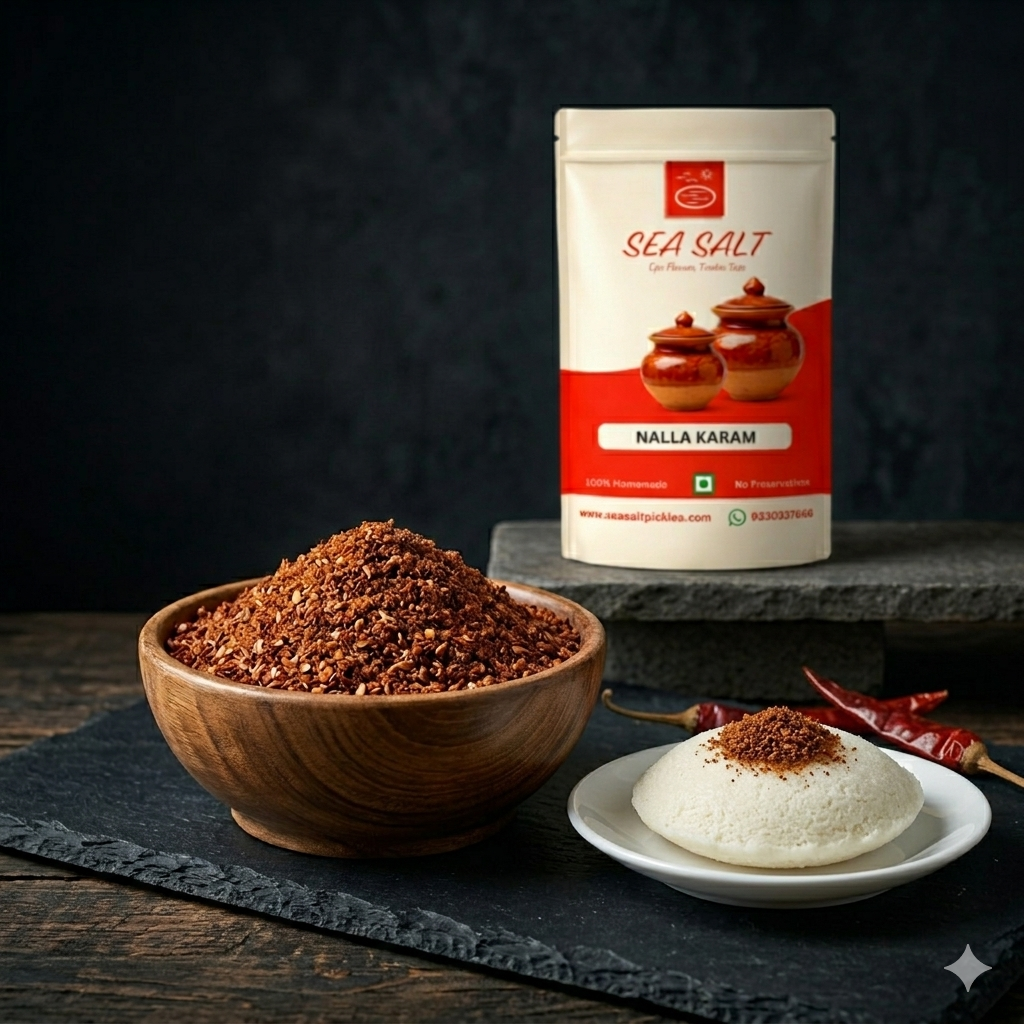
Speaking of spices, have you tried our Nalla Karam? This versatile Andhra spice mix, priced at just Rs.100, is a testament to the rich, aromatic heart of our culinary tradition. Made with roasted lentils, dried red chilies, and a blend of other beneficial spices, Nalla Karam adds a delightful depth of flavor to any meal. While not a pickle, it embodies the spirit of healthy, flavorful Indian eating, bringing the antioxidant and digestive benefits of traditional Indian spices directly to your plate. It’s perfect sprinkled over idli, dosa, rice, or even as a flavor booster in gravies – a true staple for enhancing your indian pickle nutrition experience even further.
Incorporating Healthy Pickles into Your Diet
Enjoying the pickle health benefits is simple. Here are a few ways to incorporate traditional Indian pickles into your daily meals:
- With Main Meals: A small serving alongside rice, roti, or paratha.
- As a Flavor Enhancer: A dab can elevate simple dishes like dal or yogurt rice.
- In Sandwiches or Wraps: For an unexpected tangy kick.
Remember, moderation is key, especially given the salt and oil content often found in pickles. Focus on quality, traditionally prepared options like those from Sea Salt Pickles.
Choosing the Right Pickles for Maximum Benefits
When seeking the full spectrum of fermented food benefits, particularly probiotics, it's crucial to choose wisely:
- Look for Traditional Preparation: Seek out pickles made with age-old methods, often indicated by terms like "homemade," "traditional," or "artisanal."
- Avoid Excessive Preservatives: While some natural preservatives are fine, be wary of long lists of artificial additives.
- Consider the Source: Brands that prioritize natural ingredients and methods are more likely to offer genuine benefits.
At Sea Salt Pickles, we take pride in our commitment to authentic Andhra flavors and traditional preparation methods. Our pickles are crafted with care in Hyderabad, ensuring you receive premium quality products that taste homemade and contribute to your well-being.
Frequently Asked Questions About Indian Pickles & Probiotics
Q1: Are all Indian pickles a good source of probiotics?
A1: No, only traditionally fermented Indian pickles that have not been pasteurized contain live probiotic cultures. Many commercially produced pickles use vinegar or are heat-treated, which destroys beneficial bacteria. Always look for traditionally made, unpasteurized options.
Q2: How much pickle should I eat to get probiotic benefits?
A2: A small serving (e.g., 1-2 tablespoons) with your meals is generally sufficient. Consistency is more important than quantity. Listen to your body and incorporate them regularly as part of a balanced diet.
Q3: Do homemade Indian pickles definitely contain probiotics?
A3: If homemade pickles are prepared using traditional fermentation methods (e.g., salt, spices, and time, without excessive heat or strong acidic preservatives like high concentrations of synthetic vinegar that inhibit bacterial growth) and are not pasteurized, they are very likely to contain beneficial probiotic cultures.
Q4: Besides probiotics, what other health benefits do Indian pickles offer?
A4: Beyond probiotics in pickles, they often contain vitamins and minerals from the fruits/vegetables used and powerful antioxidants from a rich blend of traditional Indian spices like turmeric, fenugreek, and mustard, contributing to overall indian pickle nutrition and anti-inflammatory effects.
Embrace the Goodness of Traditional Indian Pickles
The journey into the world of Indian pickles reveals a fascinating blend of culinary artistry and surprising health advantages. From the robust pickle health benefits offered by their probiotic content to the nutritional richness of their natural ingredients and spices, these tangy treasures are far more than just a side dish. They are a testament to ancient wisdom, bringing zest and wellness to your plate.
Ready to experience the authentic taste and potential health benefits of premium homemade Andhra pickles? Explore our exquisite range of pickles, masalas, and snacks, lovingly crafted in Hyderabad. Add a touch of tradition and a boost of wellness to your meals today.
Shop Premium Andhra Pickles & Masalas at Sea Salt Pickles Now!
🛒 Try Our Nalla Karam
Authentic, homemade, no preservatives. Crafted with love in Hyderabad.
Shop Now →