Pickle Making Process: Traditional Methods for Authentic Flavors
The Ancient Art of Pickle Making: A Culinary Heritage
There's something uniquely comforting about a spoonful of perfectly made pickle. For centuries, across cultures, the art of preserving food through pickling has been a cornerstone of culinary traditions. In India, particularly in the vibrant kitchens of Andhra Pradesh, pickles – or 'achar' – are not just condiments; they are a legacy, a celebration of regional flavors, and a testament to time-honored techniques. At Sea Salt Pickles, hailing from Hyderabad, we pride ourselves on continuing this legacy, crafting premium homemade Andhra pickles, masalas, and snacks using the very same traditional methods passed down through generations.
This journey into the pickle making process traditional methods is an exploration of patience, precision, and natural alchemy. It's about understanding how simple ingredients, combined with the wisdom of the past, transform into intensely flavorful and shelf-stable delicacies.
Why Traditional Methods Endure
In an age of instant gratification, why do traditional pickle making methods continue to thrive? The answer lies in authenticity, flavor, and the undeniable health benefits. These methods, often involving natural fermentation, not only preserve food but also enhance its nutritional profile, creating rich, complex flavors that factory-produced pickles simply cannot replicate. They are a connection to our roots, ensuring that the true taste of homemade achar lives on.
Understanding the Core: How Pickles Are Made
The journey from fresh produce to a tangy, spicy, and irresistible pickle is a fascinating one. While specific recipes vary wildly, the fundamental steps in how pickles are made traditionally share a common thread of natural preservation and flavor development.
Step 1: Selecting & Preparing Ingredients
The foundation of any great pickle is its raw ingredients. Freshness is paramount. Whether it's succulent mangoes, tangy lemons, crisp vegetables, or fiery chillies, careful selection is key. At Sea Salt Pickles, we source the finest, freshest produce, ensuring optimal ripeness and quality. Ingredients are meticulously cleaned, often sun-dried for a specific period to remove excess moisture, and then cut into appropriate sizes. This initial preparation is crucial for preventing spoilage and ensuring even absorption of flavors.
Step 2: The Magic of Sea Salt Pickling
This is where the 'sea salt' in Sea Salt Pickles truly shines. Sea salt pickling is a cornerstone of traditional methods. Unlike table salt, sea salt contains a wider array of trace minerals, which some believe contributes to a richer flavor profile. More importantly, salt plays several critical roles:
- Drawing out moisture: Salt pulls water from the produce, creating a natural brine.
- Inhibiting spoilage: It creates an environment where most harmful bacteria cannot thrive.
- Facilitating fermentation: Salt selectively allows beneficial lactic acid bacteria to flourish, which are key to the fermentation process.
The produce is typically layered with generous amounts of coarse sea salt, allowing it to sit and release its natural juices over hours or even days. This natural brine is the very essence of traditional preservation.
Step 3: Mastering Pickle Fermentation
Perhaps the most magical and often misunderstood aspect of traditional pickle making is pickle fermentation. This biological process, driven by beneficial microorganisms (primarily lactic acid bacteria), transforms the raw ingredients into pickles. As these bacteria consume the natural sugars in the produce, they produce lactic acid. This acid is what gives fermented pickles their characteristic tangy flavor and acts as a powerful natural preservative.
Traditional fermentation is often carried out in ceramic jars or glass containers, kept in a cool, dark place. The process can take anywhere from a few days to several weeks, depending on the ingredients, temperature, and desired flavor profile. It requires patience and observation, as the pickle maker must monitor the process, ensuring an anaerobic (oxygen-free) environment to prevent mold growth and encourage the right kind of bacterial activity.
Step 4: Flavoring with Spices & Oil
Once the initial salting and fermentation (if applicable) are complete, the pickle truly comes alive with the addition of a rich blend of spices and oil. This is where regional variations shine. For Andhra pickles, a medley of aromatic spices like mustard seeds, fenugreek seeds, red chili powder, asafoetida, and of course, turmeric, are meticulously ground and tempered in hot oil.
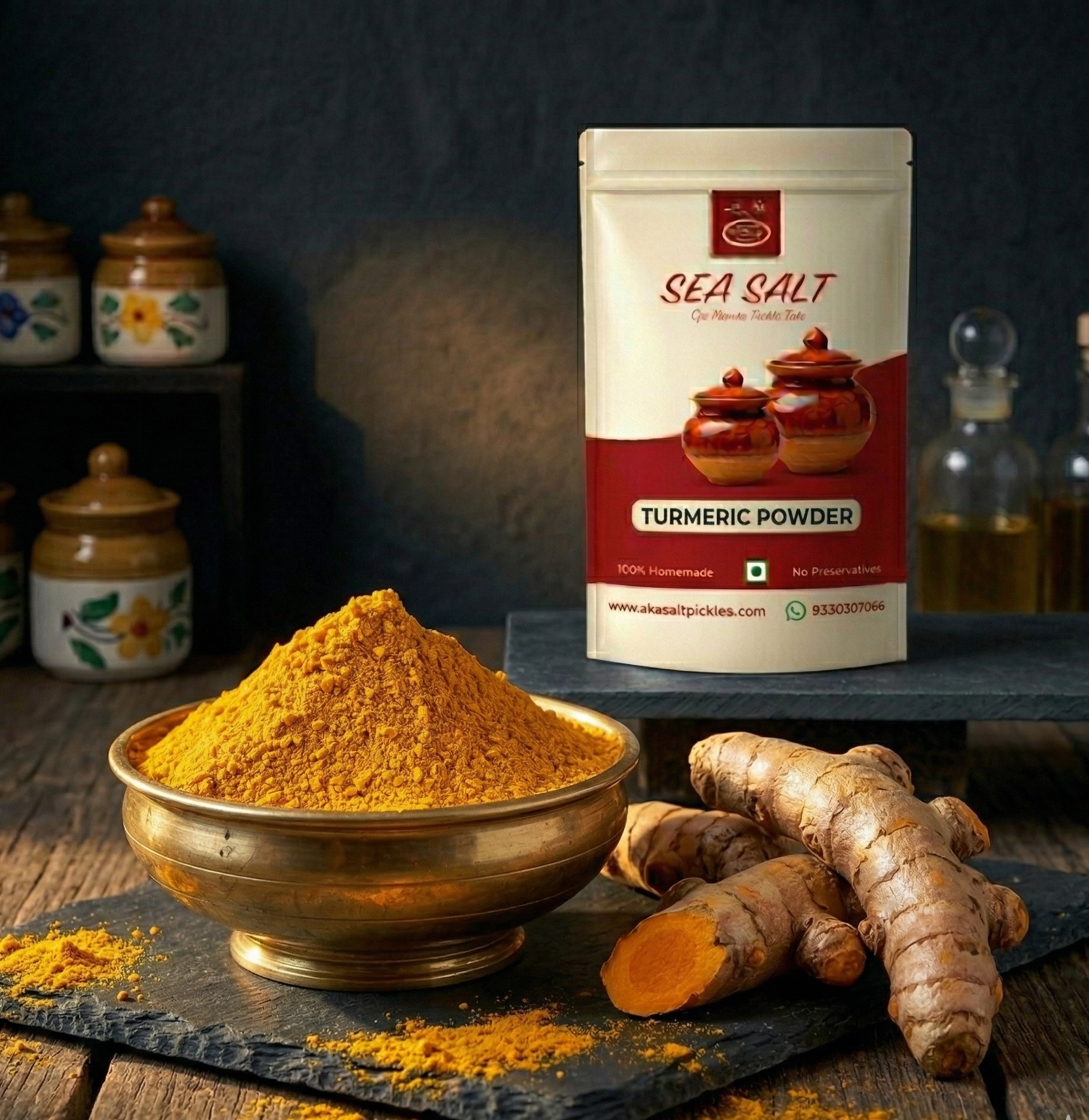
Turmeric, often referred to as 'golden spice,' isn't just for color. Our premium Turmeric Powder (Rs.125) plays a vital role in traditional pickle making. It acts as a natural preservative, an anti-microbial agent, and contributes its distinctive earthy flavor and vibrant yellow hue. The hot oil acts as a sealant, preventing air exposure and further extending the pickle's shelf life, while also infusing the spices' flavors deep into the ingredients.
Step 5: Curing & Maturation
The final, yet equally crucial, step is curing and maturation. After all the ingredients are combined, the pickle is allowed to rest and meld its flavors. This often involves periods of sun-drying or simply storing the pickle in airtight containers in a cool, dark place for several weeks or even months. During this time, the flavors deepen, the texture softens, and the pickle develops its full, complex character. This patient waiting is what truly distinguishes traditionally made pickles.
Homemade Achar: Crafting Authenticity in Your Kitchen
The thought of making your own homemade achar can be daunting, but with a little guidance and a lot of passion, it's an incredibly rewarding experience. Emulating the techniques of traditional pickle making brings an unparalleled depth of flavor and a sense of accomplishment.
Key Principles for Successful Homemade Achar
- Hygiene is paramount: Ensure all equipment, jars, and hands are thoroughly clean and dry to prevent unwanted bacterial growth.
- Quality ingredients: Start with the freshest, blemish-free produce and high-quality spices.
- Right salt balance: Too little salt can lead to spoilage; too much can make it inedible. Follow trusted recipes carefully.
- Patience: Rushing the fermentation or maturation process will compromise the flavor and texture.
- Sunlight (for some recipes): Many traditional Indian pickles benefit from direct sunlight during their curing process, which helps dry moisture and develop flavor.
Common Traditional Pickle Varieties
From the fiery Avakaya (mango pickle) of Andhra Pradesh to tangy Nimbu Achar (lemon pickle) and spicy Gongura Pachadi (sorrel leaves pickle), the diversity of traditional Indian pickles is astonishing. Each region boasts its specialties, often reflecting the local produce and culinary heritage. The consistent thread, however, is the reliance on age-old techniques for preservation and flavor.
The Benefits of Traditional Pickling
Beyond the incredible taste, traditionally made pickles offer several advantages:
- Probiotic Richness: Naturally fermented pickles are teeming with beneficial probiotics, supporting gut health and digestion.
- Enhanced Flavor: The slow, natural processes develop deeper, more nuanced flavors that are simply unmatched.
- Natural Preservation: Relying on salt, spices, oil, and fermentation, these pickles are preserved without artificial additives or chemical preservatives.
- Cultural Connection: Enjoying a traditionally made pickle is a taste of heritage, connecting us to the culinary wisdom of our ancestors.
Conclusion
The pickle making process traditional methods represent more than just a way to preserve food; they embody a philosophy of patience, respect for ingredients, and a deep connection to culinary heritage. From the careful selection of fresh produce to the magic of sea salt pickling and the alchemy of pickle fermentation, every step contributes to the creation of a truly authentic and flavorful product.
At Sea Salt Pickles, we honor these time-tested traditions, bringing you the authentic taste of homemade Andhra achar, crafted with love and dedication from Hyderabad. We believe that good food starts with good ingredients and proper methods, ensuring every jar delivers a burst of traditional flavor straight to your table.
FAQ: Traditional Pickle Making
Q1: What is the main difference in traditional pickle making compared to commercial methods?
A1: Traditional pickle making primarily relies on natural preservation methods like sea salt pickling and fermentation, often without artificial preservatives or excessive heat processing, leading to richer flavors and probiotic benefits. Commercial methods often use vinegar, chemical preservatives, and pasteurization for mass production and consistency.
Q2: How long does pickle fermentation typically take?
A2: The duration of pickle fermentation varies significantly based on the ingredients, temperature, and desired tanginess. It can range from a few days for quick pickles to several weeks or even months for intensely fermented varieties like some traditional Indian mango pickles.
Q3: Is sea salt essential for pickling? Can I use regular table salt?
A3: While traditional methods often emphasize sea salt pickling due to its natural mineral content and lack of additives, regular non-iodized salt can also be used. Iodized salt is generally avoided as iodine can sometimes interfere with the fermentation process and may cause pickles to darken or become soft.
Q4: What ingredients are crucial for authentic homemade achar?
A4: For authentic homemade achar, key ingredients include fresh, high-quality produce; coarse sea salt; a blend of traditional spices (like mustard seeds, fenugreek, chili powder, and turmeric); and a good quality oil (such as sesame or groundnut oil) for tempering and preservation. Each ingredient plays a vital role in flavor, texture, and shelf life.
Ready to experience the rich, authentic flavors born from these traditional methods? Explore our range of premium homemade Andhra pickles, masalas, and snacks today!
🛒 Try Our Turmeric Powder
Authentic, homemade, no preservatives. Crafted with love in Hyderabad.
Shop Now →