Unveiling the Ancient Art: How Traditional Pickles are Made
The Timeless Art of Traditional Pickle Making: A Journey from Farm to Jar
In a world increasingly driven by speed and convenience, there remains a profound reverence for processes that honor time, tradition, and natural flavors. Among these cherished culinary arts, few captivate the imagination quite like the making of traditional pickles. More than just a condiment, a pickle is a vibrant testament to age-old wisdom, a symphony of flavors preserved through patient craftsmanship. At Sea Salt Pickles, hailing from the heart of Hyderabad, we believe in upholding these very traditions, bringing the authentic taste of Andhra to your table. If you've ever wondered about the magic behind those tantalizing jars, you're about to embark on a fascinating journey to understand the intricate process of how pickles are made using methods passed down through generations.
What Defines Traditional Pickle Making?
Before we delve into the steps, it's essential to understand what sets traditional pickle making apart. It’s a philosophy centered on natural preservation, relying heavily on sun, salt, spices, and time – eschewing artificial preservatives or rapid industrial processes. This approach not only ensures a healthier product but also cultivates a depth of flavor that modern methods simply cannot replicate. It’s about harnessing the power of nature, particularly through pickle fermentation, to transform fresh produce into a vibrant, shelf-stable delicacy.
How Pickles Are Made: A Step-by-Step Guide to Traditional Methods
The journey from fresh produce to a delectable pickle is a meticulous one, demanding precision and a deep understanding of ingredients. Here’s a detailed look at the stages involved in authentic traditional pickle making:
1. Sourcing and Preparing the Finest Ingredients
The foundation of any exceptional pickle lies in the quality of its ingredients. For traditional pickles, this means selecting the freshest, most vibrant fruits or vegetables – whether it's tender mangoes, crisp gherkins, fiery chillies, or aromatic mint leaves like those used in our refreshing Mint Pickle. The produce is meticulously cleaned, often washed multiple times, and then thoroughly dried. This drying process is crucial, as any residual moisture can compromise the pickle's longevity and flavor. For many Andhra pickles, fruits like mangoes are often sun-dried for a few hours to reduce water content further before chopping and preparing.
2. The Art of Salting and Curing
Salt is the cornerstone of traditional pickle preservation. Once the main ingredient is prepared, it is generously coated with a specific ratio of high-quality salt. This isn't just for flavor; salt draws out moisture from the produce through osmosis, creating an environment inhospitable to spoilage-causing microbes. This initial curing phase is vital, preparing the ingredients for the subsequent stages of pickle fermentation and infusing them with a foundational savory note. The produce is often left to rest in salt for several hours or even days, allowing it to soften and release its natural liquids, which then become part of the flavorful brine.
3. Crafting the Aromatic Masala Blend
This is where the magic truly begins, and the distinct character of a pickle emerges. Every traditional pickle has its unique blend of spices, known as masala. For Andhra pickles, this often includes a symphony of mustard seeds, fenugreek seeds, red chilli powder (like Guntur or Byadagi varieties for their color and heat), turmeric, asafoetida, and sometimes garlic or ginger. These whole spices are typically dry-roasted to release their essential oils and enhance their aroma, then ground into a coarse or fine powder. The precise ratios and freshness of these spices are paramount, defining the pickle's final flavor profile and contributing to its preservative qualities.
4. Introducing the Preservative Medium: Oil
Once the cured produce and masala are ready, they are combined with a liquid medium that acts as a further preservative and flavor carrier. In most Indian traditional pickle making, especially in Andhra, this medium is typically a high-quality edible oil, such as gingelly (sesame) oil or groundnut oil. The oil creates an anaerobic environment, sealing off the ingredients from air and preventing spoilage. The oil is often heated to a specific temperature and then cooled before mixing to enhance its preservative properties and infuse the flavors better, ensuring a longer shelf life and richer taste.
5. The Crucial Stage: Fermentation and Maturation
This is arguably the most fascinating and critical stage of traditional pickle making. After mixing all ingredients – the salted produce, the aromatic masala, and the oil – the mixture is transferred to sterilized ceramic jars (bharanis) or glass containers. These jars are then often exposed to sunlight for several days or even weeks. This sun-drying process, combined with the presence of salt and natural microorganisms, initiates pickle fermentation. Lactic acid bacteria, naturally present on the produce and in the environment, begin to convert sugars into lactic acid. This acid contributes significantly to the pickle's characteristic tangy flavor, aroma, and acts as a powerful natural preservative. The sun's warmth aids this fermentation, deepens the flavors, and helps to integrate all the ingredients, leading to a rich, complex taste that only time can create. This slow maturation is what gives traditional pickles their unparalleled depth.
6. Careful Storage for Longevity
Once the pickle has fermented and matured to perfection, it is stored in airtight, sterile jars in a cool, dry place. Proper storage ensures the pickle's longevity, allowing it to be enjoyed for months, sometimes even years. The layer of oil on top acts as a natural seal, preventing air contact and maintaining the pickle's freshness and flavor.
The Science Behind the Magic: Understanding Pickle Fermentation
The term "fermentation" might sound complex, but at its heart, it’s a natural biological process that has been utilized for centuries to preserve food and enhance its nutritional value and flavor. In the context of traditional pickles, particularly those made with salt and oil, we primarily talk about lactic acid fermentation. This process is driven by beneficial bacteria, mainly lactic acid bacteria (LAB), which are naturally present on the surface of fruits and vegetables.
Here’s what happens during pickle fermentation:
- Sugar Conversion: The LAB feed on the natural sugars present in the vegetables or fruits.
- Lactic Acid Production: As they consume sugars, they produce lactic acid as a byproduct. This lactic acid is a natural preservative; it lowers the pH of the pickle, creating an acidic environment where most harmful spoilage bacteria cannot survive.
- Flavor Development: Beyond preservation, lactic acid, along with other compounds produced during fermentation, contributes significantly to the complex, tangy, and umami-rich flavors that are characteristic of traditional pickles. It's this slow, natural transformation that gives a traditional pickle its soul.
The sun plays a crucial role in many Indian traditional pickle making processes. The warmth of the sun encourages the growth of these beneficial bacteria and accelerates the fermentation process, while also helping to dry out the ingredients further, preventing mold and enhancing the overall flavor and texture. This controlled exposure to sunlight is a hallmark of authentic Andhra pickle preparation, ensuring the perfect balance of tang, spice, and aroma.
Why Choose Traditional: The Unmatched Goodness of Authentic Pickles
In a market flooded with mass-produced options, the allure of traditional pickles remains undiminished. This isn't merely nostalgia; it's about a superior product in every sense:
- Unrivaled Flavor Complexity: The slow fermentation and careful blending of natural spices result in a depth of flavor that is simply unparalleled. Each ingredient gets time to meld and mature, creating a harmonious and robust taste profile.
- Natural Preservation: Relying on salt, oil, and spices, alongside natural acids from fermentation, means no need for artificial preservatives, colors, or flavors. You're consuming food as nature intended.
- Cultural Authenticity: Each jar tells a story of heritage, a recipe perfected over generations. When you taste a traditional pickle, you're experiencing a piece of culinary history.
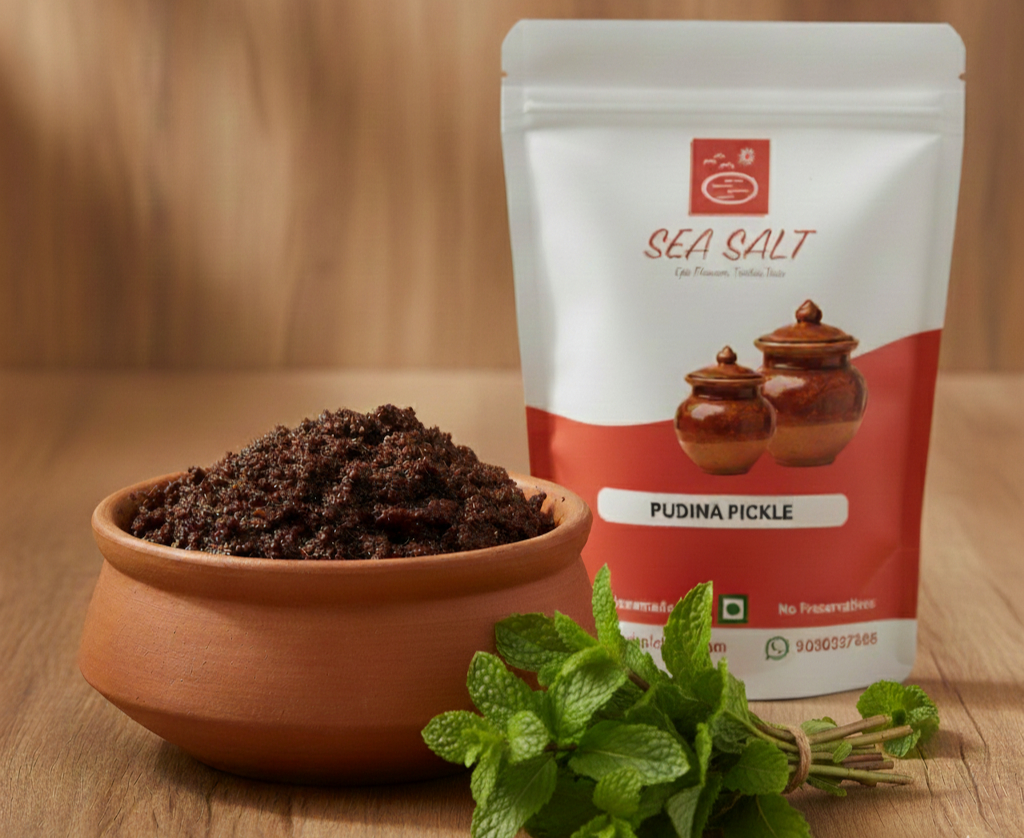
At Sea Salt Pickles, we are deeply committed to these principles. From our sun-kissed Mango Avakaya to the exquisitely balanced Mint Pickle (Rs. 330), every product reflects the meticulous traditional pickle making process. We source the finest local ingredients, hand-grind our authentic Andhra masalas, and allow nature to work its magic through patient fermentation and maturation. This dedication ensures that every bite transports you to the rich culinary landscape of Hyderabad, just like how pickles are made in homes across Andhra.
Frequently Asked Questions About Traditional Pickle Making
- Q: What is the main difference between traditional and commercial pickle making?
- A: Traditional pickle making relies on natural fermentation, sun-drying, and minimal processing, using salt, oil, and spices as primary preservatives. Commercial methods often use vinegar as the main acidulant, artificial preservatives, and faster processing techniques, sometimes compromising on the depth of flavor and natural benefits.
- Q: How long does traditional pickle fermentation take?
- A: The fermentation time varies greatly depending on the ingredient, climate, and specific recipe. It can range from a few days for some vegetable pickles to several weeks or even months for fruit-based pickles like mango or lemon, allowing the flavors to fully develop and precisely as how pickles are made in traditional Andhra homes.
- Q: Are traditional pickles good for health?
- A: Yes, traditional pickles, especially those undergoing natural fermentation, can offer health benefits. They are rich in natural spices, and the fermentation process can enhance digestibility. They should, however, be consumed in moderation due to their salt and oil content, as with any condiment.
- Q: Can I make traditional pickles at home?
- A: Absolutely! While it requires patience and adherence to specific steps, traditional pickle making is a rewarding home culinary art. Starting with simpler recipes and ensuring proper hygiene and ingredient preparation are key. However, for authentic Andhra flavors crafted with generations of expertise, you can always trust brands like Sea Salt Pickles to deliver perfectly crafted traditional pickles right to your door.
Experience the Legacy of Flavor with Sea Salt Pickles
The journey of traditional pickle making is a testament to culinary heritage, patience, and the profound wisdom of preserving nature’s bounty. It’s a process that results in not just a food item, but a culinary experience that awakens the senses and connects us to generations past. At Sea Salt Pickles, we honor this legacy, meticulously crafting each jar of our Andhra pickles using these time-honored methods. We invite you to savor the difference that authentic ingredients, careful preparation, and natural pickle fermentation make.
Ready to add a burst of traditional flavor to your meals? Explore our exquisite range of homemade Andhra pickles, masalas & snacks at Sea Salt Pickles today! From our classic Avakaya to the unique Mint Pickle, discover your next favorite condiment and taste the true essence of traditional Andhra cuisine.
🛒 Try Our Mint Pickle
Authentic, homemade, no preservatives. Crafted with love in Hyderabad.
Shop Now →