How Pickles Are Made: The Art of Traditional Pickle Making & Fermentation
The Timeless Art of Traditional Pickle Making
In the heart of every Indian home, especially in the vibrant culinary landscape of Andhra Pradesh, lies a cherished culinary tradition: the making of pickles. More than just a condiment, homemade achar is a symbol of heritage, a burst of flavour, and a testament to patience and ancestral wisdom. At Sea Salt Pickles, nestled in the historic city of Hyderabad, we are proud torchbearers of this legacy, crafting premium Andhra pickles, masalas, and snacks that capture the authentic taste of tradition. Today, we invite you on a fascinating journey to explore the intricate and deeply satisfying pickle making process traditional methods, revealing the secrets behind those irresistible jars.
For centuries, communities have preserved seasonal bounties through pickling, a method born out of necessity that evolved into an art form. Unlike industrial processes, traditional pickle making relies on natural elements, time, and the careful hand of an artisan. It's a method that ensures not just preservation, but also the development of complex, nuanced flavours that are simply unmatched. Understanding how pickles are made traditionally offers a deeper appreciation for every spoonful of this delightful accompaniment.
Understanding the Core: How Pickles Are Made Through Fermentation
At the heart of many traditional pickle varieties, particularly those that develop a rich, tangy depth, lies a magical transformation known as pickle fermentation. This ancient technique harnesses the power of beneficial microorganisms, primarily lactic acid bacteria, to convert sugars in the ingredients into lactic acid. This acid acts as a natural preservative, creating an environment where spoilage bacteria cannot thrive, while simultaneously imparting that characteristic sour flavour and often enhancing the nutritional value.
The role of salt in this process cannot be overstated. Traditional sea salt pickling is fundamental, as sea salt not only draws out moisture from the vegetables or fruits, creating a brine, but also inhibits undesirable bacteria while allowing the lactic acid bacteria to flourish. This selective environment is crucial for a successful and safe fermentation. The salt content needs to be precise – too little, and spoilage can occur; too much, and the beneficial bacteria might be suppressed. It's a delicate balance honed over generations, a true art that ensures the pickle matures perfectly, developing its unique texture and taste profile.
Step-by-Step: The Traditional Pickle Making Process
While specific recipes vary wildly across regions and ingredients, the foundational steps of traditional pickle making share common threads. Let's delve into the meticulous journey:
Step 1: Selecting the Finest Ingredients
The journey to an exquisite pickle begins long before any chopping or mixing. Quality ingredients are paramount. For Andhra pickles, this often means choosing perfectly ripe, unblemished mangoes, tender gongura leaves, crisp lemons, or succulent vegetables like chillies and tomatoes. Freshness is key, as is sourcing from trusted local farms. At Sea Salt Pickles, we insist on premium, seasonal produce, ensuring every jar bursts with natural flavour and goodness.
Step 2: Preparation and Curing
Once selected, ingredients undergo thorough preparation. This typically involves washing them meticulously to remove any dirt or impurities, followed by an equally crucial step: complete drying. Any residual moisture can lead to spoilage. Ingredients are then often cut into appropriate sizes – large chunks for mangoes, or whole for smaller items. For certain pickles, an initial curing with sea salt pickling begins here, where salt is applied directly to the cut pieces. This draws out excess water, concentrates flavours, and kick-starts the preservation process, firming the texture of the produce.
Step 3: Crafting the Masala Blend
This is where the magic of regional distinctiveness truly shines. The masala blend is the soul of an Indian pickle. For Andhra pickles, this typically involves a vibrant mix of roasted and ground spices such as fenugreek (menthi), mustard (avalu), chilli powder (kandipodi or gongura karam), turmeric, asafoetida, and sometimes garlic or ginger. Each spice is chosen not just for flavour, but also for its preservative qualities and digestive benefits. The proportions are carefully measured, often following recipes passed down through generations, creating a symphony of taste that is unique to each homemade achar.
Step 4: The Art of Layering and Mixing
With ingredients prepped and masala ready, the grand assembly begins. The prepared fruits or vegetables are gently combined with the aromatic spice blend and often a generous amount of high-quality oil (like groundnut or sesame oil). The oil acts as another crucial preservative, creating a barrier against air and moisture. This mixing is done thoroughly, ensuring every piece is coated evenly with the rich masala, allowing the flavours to meld harmoniously from the very beginning of the pickle making process traditional methods.
Step 5: The Fermentation Journey (or Maturation)
After mixing, the pickle is carefully transferred into clean, sterilized ceramic jars (bharanis) or glass containers. This is where patience becomes a virtue. For many traditional pickles, particularly fermented ones, the jars are often left in a warm, sometimes sunny spot for several days or even weeks. This exposure to warmth encourages the pickle fermentation process, allowing the lactic acid bacteria to work their magic. The pickle is often stirred daily in the initial days to ensure even flavour distribution and prevent mould. Over time, the ingredients soften, the flavours deepen, and the pickle develops its characteristic tang and aroma.
Step 6: Storage and Enjoyment
Once the pickle has matured to perfection, it's ready for long-term storage. Traditional pickles, when made correctly and stored in airtight containers in a cool, dark place, can last for months, sometimes even years. Each time a portion is taken, care is exercised to use a clean, dry spoon to prevent contamination. This meticulous attention to detail at every step of how pickles are made ensures longevity and consistent quality, allowing families to enjoy their beloved achar throughout the year.
The Sea Salt Pickles Difference: A Taste of Andhra Tradition
At Sea Salt Pickles, we honour and meticulously follow these time-honoured traditional pickle making methods. Our commitment to authenticity means we don't cut corners. We meticulously select the freshest, highest-quality ingredients, often sourced directly from local farmers, and employ expert hands that have perfected the art of Andhra pickle making over decades. Our masalas are ground fresh, our spices roasted to perfection, and our pickles allowed to mature naturally, just as they would in an Andhra grandmother's kitchen.
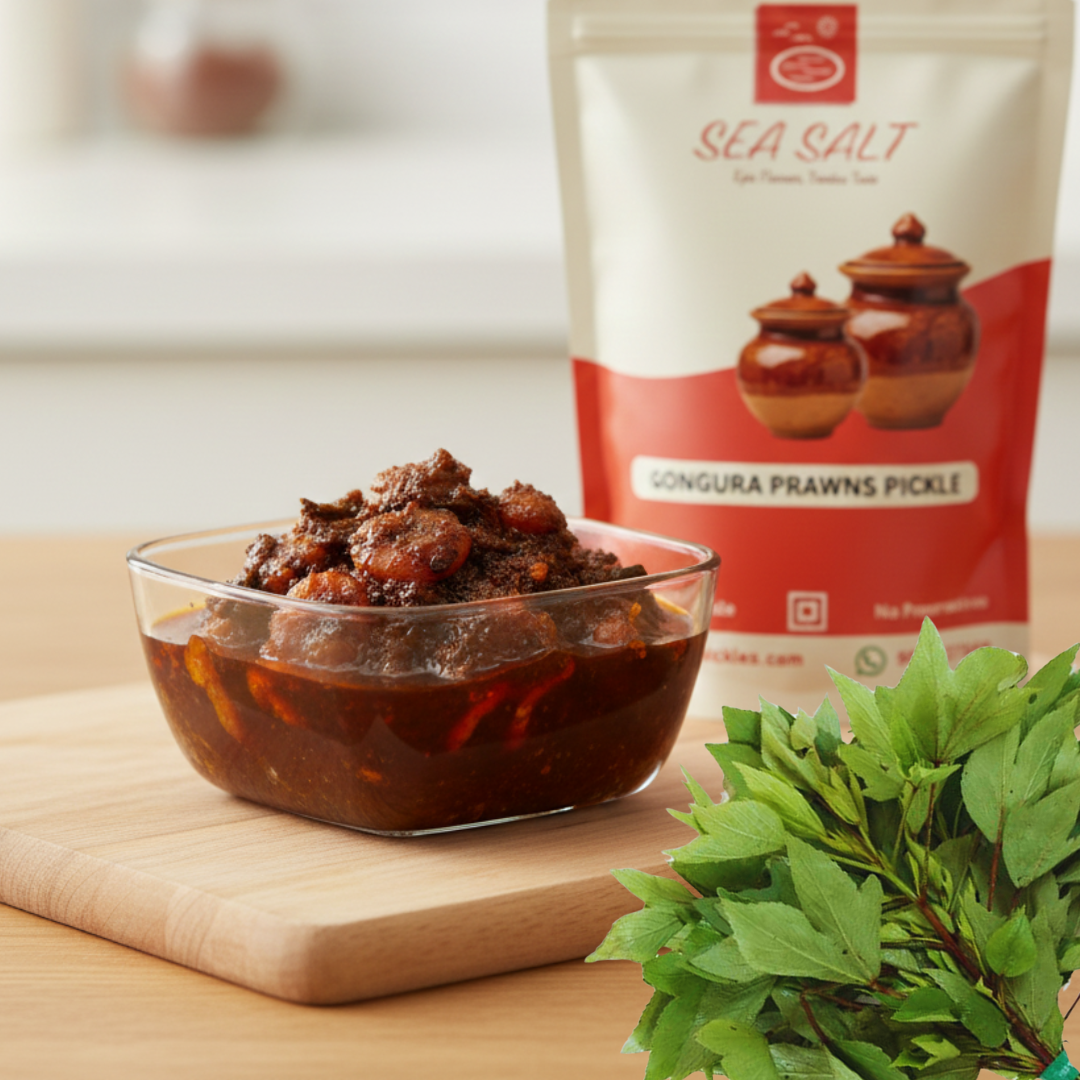
We believe in the power of natural preservation, which is why our sea salt pickling methods are carefully monitored to ensure both safety and unparalleled flavour. Every jar of our homemade achar, from the fiery Avakai to the tangy Gongura, is a testament to our dedication to preserving Andhra's rich culinary heritage. For instance, our popular Gongura Prawns (Rs.990) pickle exemplifies our blend of traditional techniques with innovative flavour combinations, showcasing the vibrant possibilities within our craft.
When you choose Sea Salt Pickles, you're not just buying a condiment; you're investing in a piece of tradition, a burst of genuine flavour, and the wholesome goodness that comes from a process rooted in care and natural expertise. It's the taste of Hyderabad, delivered to your doorstep, made with the same love and precision that has defined Andhra pickle making for generations.
FAQs on Traditional Pickle Making
Q1: Is fermentation safe for making pickles at home?
A1: Yes, when done correctly, fermentation is a very safe and traditional method for making pickles. The key is to use enough salt, ensure proper hygiene, and keep ingredients submerged to create an anaerobic environment that supports beneficial lactic acid bacteria while inhibiting harmful ones.
Q2: What is the main difference between traditional and commercial pickles?
A2: Traditional pickles often rely on natural fermentation and minimal processing, allowing flavours to develop over time. Commercial pickles frequently use vinegar or chemical preservatives for quick preservation, resulting in a different flavour profile and often lacking the probiotic benefits of naturally fermented varieties.
Q3: How long does the traditional pickle making process usually take?
A3: The entire process, from preparation to full maturation, can vary significantly. Some pickles might be ready in a few days, while others, like certain mango pickles, require several weeks or even months of aging for the flavours to fully develop and meld.
Q4: Why is sea salt preferred in traditional pickling?
A4: Sea salt is preferred because it's unrefined and contains trace minerals that can contribute to the flavour and fermentation process. Unlike iodized table salt, it typically lacks anti-caking agents that can sometimes interfere with fermentation and make the brine cloudy.
Experience the Authentic Taste of Andhra with Sea Salt Pickles
The journey of traditional pickle making is one of passion, patience, and profound flavour. From understanding how pickles are made through the magic of pickle fermentation to the meticulous steps of crafting each batch, it's a culinary art form that continues to delight generations. At Sea Salt Pickles, we are committed to upholding these revered methods, bringing you the authentic taste of Andhra's finest homemade achar, made with the goodness of sea salt pickling and a whole lot of love.
Don't just read about tradition; taste it. Explore our exquisite range of premium homemade Andhra pickles, masalas, and snacks. Each product is a testament to our heritage and our unwavering commitment to quality. Visit seasaltpickles.com today and bring the authentic flavours of Hyderabad into your home!
🛒 Try Our Gongura Prawns
Authentic, homemade, no preservatives. Crafted with love in Hyderabad.
Shop Now →