Traditional Pickle Making Process: Your Guide to Homemade Achar
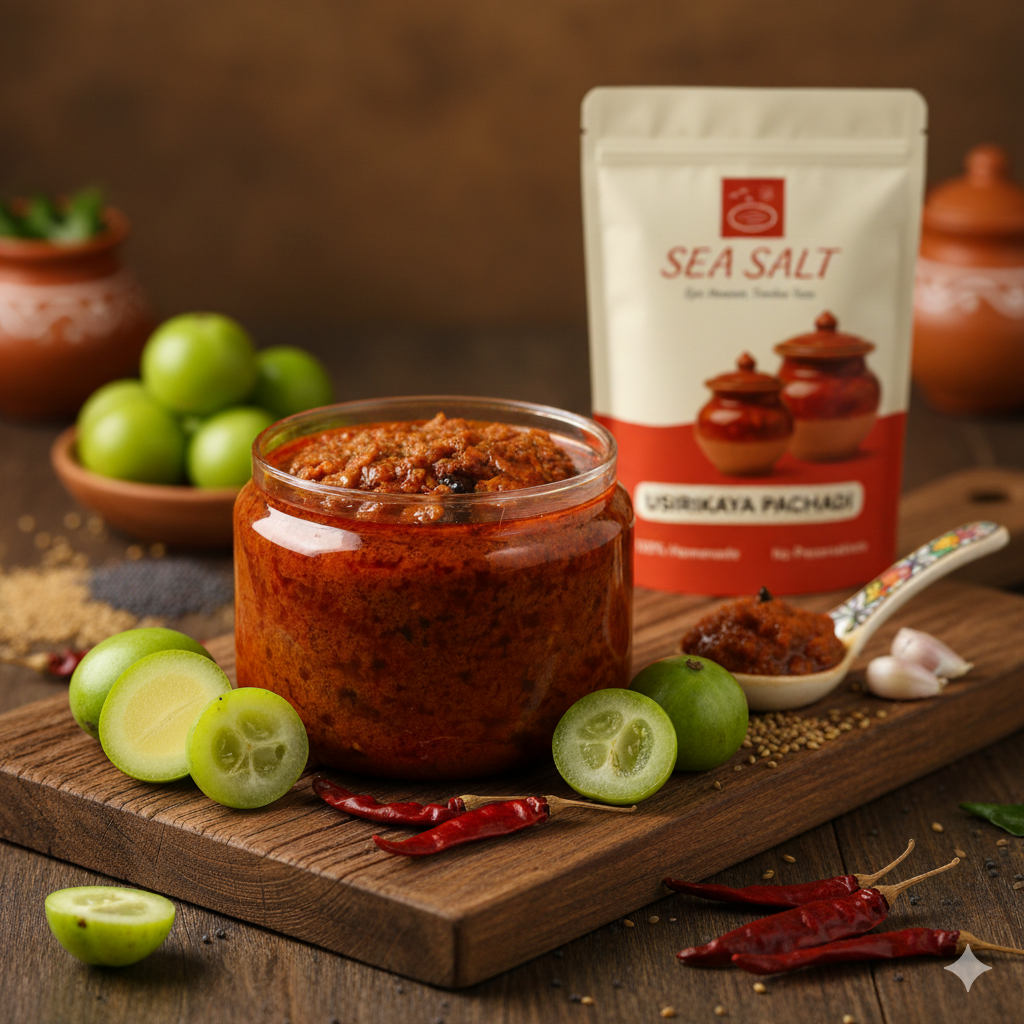
The Enduring Art of Traditional Pickle Making: A Legacy of Flavor
There's a certain magic that surrounds a jar of perfectly made pickle. For generations, across kitchens big and small, the pickle making process has been more than just a culinary task; it's a cherished tradition, a labor of love, and a testament to natural preservation. At Sea Salt Pickles, hailing from the heart of Hyderabad, we believe in honoring these age-old methods to bring you authentic, homemade Andhra pickles, masalas, and snacks that burst with flavor and heritage.
In this comprehensive guide, we'll take you on a journey through the intricate world of traditional pickle making. We'll demystify how pickles are made, delve into the wonders of pickle fermentation, highlight the importance of sea salt pickling, and show you why truly homemade achar is an unparalleled delight.
Why Traditional Methods Reign Supreme
In an era of mass production, why do traditional methods of pickle making continue to captivate us? The answer lies in the unparalleled depth of flavor, the natural nutritional benefits, and the profound connection to our culinary roots. Traditional pickles are not just food; they are stories, memories, and the embodiment of slow food culture.
- Unmatched Flavor Complexity: Time-honored techniques allow flavors to meld and mature, creating a complexity that quick-fix methods simply cannot replicate.
- Natural Preservation: Relying on salt, oil, spices, and the sun, traditional methods preserve ingredients without artificial additives.
- Nutritional Benefits: Especially with fermented pickles, you gain beneficial probiotics that aid digestion.
- Cultural Heritage: Each batch carries forward the wisdom and recipes passed down through generations.
Core Principles of Authentic Achar
At the heart of every great traditional pickle are a few fundamental principles:
- Patience: Pickling is not a race. It's a slow dance of ingredients transforming over days, weeks, or even months.
- Quality Ingredients: The freshest, seasonal produce forms the foundation.
- The Sun's Energy: Harnessing solar power for drying and curing is a hallmark of many traditional Indian pickles.
- Balance: A harmonious blend of salt, spice, and sourness defines a truly outstanding pickle.
Deconstructing the Pickle Making Process: A Step-by-Step Guide
Let's lift the lid on the journey from fresh produce to a jar of delectable homemade achar.
1. Sourcing & Preparing Your Produce
The foundation of any good pickle begins with the ingredients. For traditional pickles, quality is non-negotiable.
- Selection: Choose fresh, firm, unblemished fruits or vegetables. Seasonal produce is always best, ensuring peak flavor and nutrition. For instance, making mango pickle during mango season or Amla Pachadi when Indian gooseberries are at their prime.
- Washing & Drying: Thoroughly wash the produce. This step is critical: ensure the ingredients are completely dry before proceeding. Any residual moisture can lead to spoilage and mold. Often, vegetables are spread out in the sun or air-dried for hours, sometimes overnight, to ensure absolute dryness.
- Cutting: Cut the produce into appropriate sizes. This can vary from small pieces for a quick pickle to larger chunks for a longer-fermented variety.
2. The Alchemy of Spice Blends
Spices are the soul of Indian pickles. They not only impart incredible flavor but also contribute to preservation and offer numerous health benefits.
- Common Spices: Mustard seeds (rai), fenugreek seeds (methi), chili powder (red chili, often a specific variety for color and heat), turmeric powder, asafoetida (hing), cumin, and coriander are staples in many Indian pickles.
- Preparation: Many traditional recipes call for lightly roasting some spices (like mustard and fenugreek) to enhance their aroma before grinding them into a coarse or fine powder. This step releases their essential oils and deepens their flavor profile.
- Regional Variations: Spice blends are highly regional. Andhra pickles, for example, are renowned for their fiery kick, often utilizing specific varieties of red chilies and a generous hand with spice mixtures.
3. The Crucial Role of Salt and Oil
Salt and oil are the primary natural preservatives in traditional Indian pickles, playing far more significant roles than just flavoring agents.
- Salt: This is where sea salt pickling comes into its own. Sea salt, being less refined, contains natural minerals that contribute to flavor and the fermentation process. It draws out moisture from the produce, creating a brine that inhibits the growth of harmful bacteria while encouraging beneficial lactic acid bacteria. The right salt-to-ingredient ratio is vital for safety and flavor in homemade achar.
- Oil: A thick layer of oil acts as a sealant, preventing air from coming into contact with the pickle ingredients. This anaerobic environment is crucial for preventing spoilage and facilitating proper pickle fermentation. Commonly used oils in India include mustard oil, sesame oil (gingelly oil), and groundnut oil, each lending its distinct flavor. The oil also carries and enhances the flavors of the spices.
4. Unveiling the Magic of Pickle Fermentation
Many traditional pickles, especially those from India, rely on pickle fermentation, a natural process that transforms ingredients and enhances their flavor and nutritional value.
- What it is: Fermentation is a metabolic process where microorganisms, like beneficial lactic acid bacteria, convert carbohydrates into lactic acid. This acid acts as a natural preservative and gives fermented foods their characteristic tangy flavor.
- Benefits: Beyond preservation, fermentation creates probiotics, which are beneficial for gut health. It also breaks down complex compounds, making nutrients more bioavailable.
- The Process: Once ingredients are mixed with salt and spices and packed into jars, the fermentation begins. Over days or weeks, the bacteria get to work, producing lactic acid. This process often involves keeping the jars in a warm, sometimes sunny, spot to encourage fermentation.
5. Sun-Drying and Curing: Harnessing Nature's Power
The sun is a silent partner in many traditional Indian pickle recipes.
- Sun-Drying Ingredients: Some ingredients, like certain types of chilies or ginger, might be sun-dried before pickling to reduce moisture content and concentrate flavors.
- Sun-Curing Pickles: After mixing, jars of pickles are often placed in direct sunlight for several days or weeks. This sun-curing process helps mature the flavors, improves texture, and further aids in preservation by reducing any remaining moisture and activating the spices. It's a slow, gentle heat that works wonders.
6. The Art of Storage for Lasting Flavor
Proper storage is crucial for the longevity and quality of your homemade achar.
- Containers: Traditional pickles are best stored in sterile, airtight ceramic jars (often called 'bharanis' in India) or glass jars. These materials are non-reactive and help maintain the pickle's integrity.
- Environment: Store pickles in a cool, dark, dry place, away from direct sunlight (unless actively sun-curing). Ensure the pickle remains submerged under a layer of oil to prevent air exposure and mold growth.
- Hygiene: Always use a clean, dry spoon to serve pickles to prevent contamination.
Andhra's Rich Pickle Heritage: A Culinary Legacy
Andhra Pradesh, the home of Sea Salt Pickles, holds a special place in India's pickle map. Known for its bold flavors and diverse range of pickles, Andhra cuisine celebrates the art of traditional pickle making like no other. From the fiery Avakai (mango pickle) to the unique Gongura Pachadi (sorrel leaves pickle), each creation is a masterpiece of spice, tang, and tradition.
Spotlight on Amla Pachadi: A Tangy Delight
Among the treasures of Andhra pickles is Amla Pachadi, a tangy and nutritious pickle made from Indian gooseberries (Amla). Revered in Ayurveda for its health benefits, Amla is rich in Vitamin C and antioxidants. Our traditional Amla Pachadi captures the fruit's unique tartness, balanced with a blend of aromatic spices and preserved using time-honored methods.
Crafting Amla Pachadi involves carefully selecting ripe Amla, steaming or boiling them until tender, then combining them with a fresh ground masala of roasted spices, red chili powder, and the right amount of sea salt pickling. It's a perfect example of how the pickle making process transforms simple ingredients into an extraordinary culinary experience.
For a taste of this authentic tradition, explore our exquisite Amla Pachadi, crafted with the same time-honored methods and available for just Rs. 365.
The Unseen Benefits of Homemade Achar
Beyond the explosion of flavors, there's a world of goodness packed into every spoonful of homemade achar, especially when prepared using traditional methods.
- Probiotic Power: As discussed, pickle fermentation introduces beneficial bacteria that can improve gut health, aid digestion, and boost immunity.
- Rich in Nutrients: Traditional pickles, especially those made with nutrient-dense ingredients like Amla, retain many of their vitamins and minerals.
- Digestive Aid: The tanginess and spices in pickles can stimulate digestive enzymes, making them a great accompaniment to meals.
- Purity and Control: When you understand how pickles are made traditionally, you control every ingredient, ensuring no artificial colors, preservatives, or unhealthy oils are used.
Sea Salt Pickling: Our Commitment to Purity at Sea Salt Pickles
Our brand name, Sea Salt Pickles, is a direct reflection of our philosophy. We meticulously choose natural sea salt for all our traditional pickle making processes. Why sea salt? Because it’s unrefined, rich in trace minerals, and provides a more complex flavor profile than ordinary table salt. This choice underscores our commitment to purity, authenticity, and health.
Every jar of Sea Salt Pickles, from our zesty lemon to our robust mango, is a testament to this philosophy. We honor the time-tested techniques, the wisdom of generations, and the natural power of ingredients to bring you a truly homemade experience that celebrates the vibrant culinary heritage of Andhra.
Frequently Asked Questions about Traditional Pickle Making
Q1: How long does traditional pickle making take?
A1: The duration varies. Some pickles might be ready in a few days (like a quick lemon pickle), while others, especially those relying on fermentation or sun-curing, can take weeks or even months to fully mature and develop their complex flavors.
Q2: Can I use any salt for pickling?
A2: While you can use refined salt, we highly recommend unrefined sea salt for traditional pickling. It contains natural minerals that contribute to flavor and assist the fermentation process. Avoid iodized salt as iodine can sometimes interfere with fermentation and darken the pickle's color.
Q3: What's the difference between fermented and vinegar pickles?
A3: Fermented pickles rely on naturally occurring lactic acid bacteria to create a tangy, probiotic-rich product. Vinegar pickles use added vinegar (acetic acid) to achieve tartness and preservation, often resulting in a quicker process but without the probiotic benefits of fermentation.
Q4: How do I prevent mold in homemade achar?
A4: Key steps include ensuring all ingredients are completely dry before mixing, using clean and sterile jars, maintaining a good oil layer to seal the pickle from air, using a clean dry spoon for serving, and storing in a cool, dark place.
Taste the Tradition with Sea Salt Pickles
Understanding the intricate pickle making process reveals that it's more than just a recipe; it's an heirloom. It's the culmination of carefully selected ingredients, precisely blended spices, and the patience to allow nature to work its magic through pickle fermentation and sun-curing. At Sea Salt Pickles, we are proud custodians of this traditional pickle making art, dedicated to bringing the authentic taste of Andhra achar to your table, perfected with sea salt pickling.
Ready to experience the authentic flavors of Hyderabad? Discover our range of premium homemade achar, crafted with passion and traditional methods. Visit seasaltpickles.com today and bring home a piece of culinary heritage!
🛒 Try Our Amla Pachadi
Authentic, homemade, no preservatives. Crafted with love in Hyderabad.
Shop Now →